Approximately 10 million people in the US are living with osteoporosis, a medical condition marked by having fragile bones. Another 44 million have low bone density, placing them at increased risk. Half of all adults age 50+ are at risk of breaking a bone. This condition is especially common among older women, and it can be dangerous.
The Basic Facts of Osteoporosis
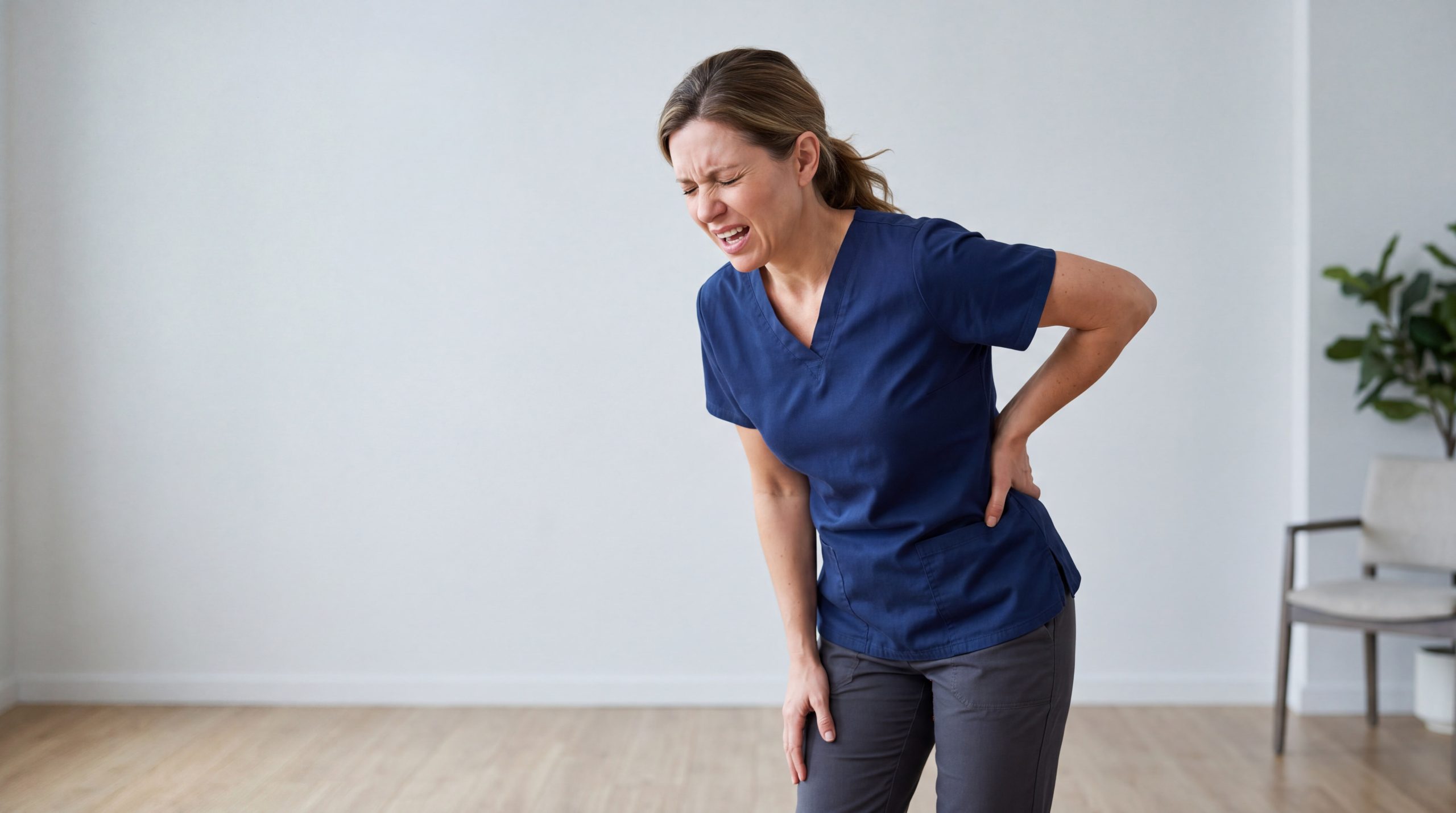
Everybody relies on their bones for strength, support, and more. Osteoporosis is a disease that weakens bones. As a result, bones are fragile and susceptible to risks like breaks and fractures. When combined with conditions like arthritis, osteoporosis can make tasks like moving around risky and painful.
Potential outcomes of osteoporosis include:
- Breaks and fractures
- Complications resulting from breaks & fractures
- Poor posture
- Limited mobility
For many people, osteoporosis is a side effect of aging. However, it can be exacerbated and accelerated by conditions like rheumatoid arthritis, stroke, and some cancers. Some medications and negative habits, like poor nutrition, can also contribute.
Osteoporosis is diagnosed through a bone mineral density (BMD) test. Other exams and laboratory tests are sometimes administered as well.
Preventing and Managing Osteoporosis
Preventing osteoporosis protects seniors from bone-related problems. Consider incorporating the following:
- Calcium
- Vitamin D
- Regular exercise
- A balanced diet
There are a number of ways to manage osteoporosis:
- Learn to prevent falls and what to do in case of a fall
- See a doctor for regular monitoring of disease progression
- Eat a bone-healthy diet and subscribe to an exercise regimen
- Take medication to treat osteoporosis
The risk factors for osteoporosis include:
- Being a woman
- Getting older
- Being of Caucasian or Asian descent
- Family history
- Small body frame
- Unhealthy diet
- Lack of exercise
If you are experiencing any of the following signs of bone loss, it is essential you are screened for osteoporosis and other bone-related diseases:
- Loss of height
- Aches without injury
- Poor posture
- Oral bone loss conditions
- Regular fractures
Since seniors are at greater risk of osteoporosis and falling, it’s important for you to learn how to avoid falls, including how to arrange a home safely as well as getting up and getting down safely. Click here to read more about preventing senior falls and to download a Home Safety Checklist.
If you or a loved one needs extra help at home, contact Assisting Hands Home Care Cincinnati, OH. Our home care professionals can step in and give family caregivers the extra help and respite they need. Get in touch today for your free consultation.