Only about 30% of people aged 65-74 are physically active. Exercise is essential for good health, but it can be risky if not performed properly. Use these exercises to encourage seniors to stay healthy.
Without physical activity, seniors are at greater risk of health problems like heart disease. Their bones are more fragile and their blood pressure is higher. A number of other problems can result from lack of activity. That’s why seniors should use safe, easy exercises to stay fit. (Cdc.gov)
Simple Indoor Exercises
Exercising indoors tends to be safer for seniors than outdoors. It is important to ensure movements are gentle and can be adapted for different limitations so as to not over-exert aging hearts, muscles, and bones. Great indoor exercises include:
- Walking
- Climbing steps
- Indoor swimming
- Balance exercises (while holding something stable)
- Light bodyweight exercises like squats
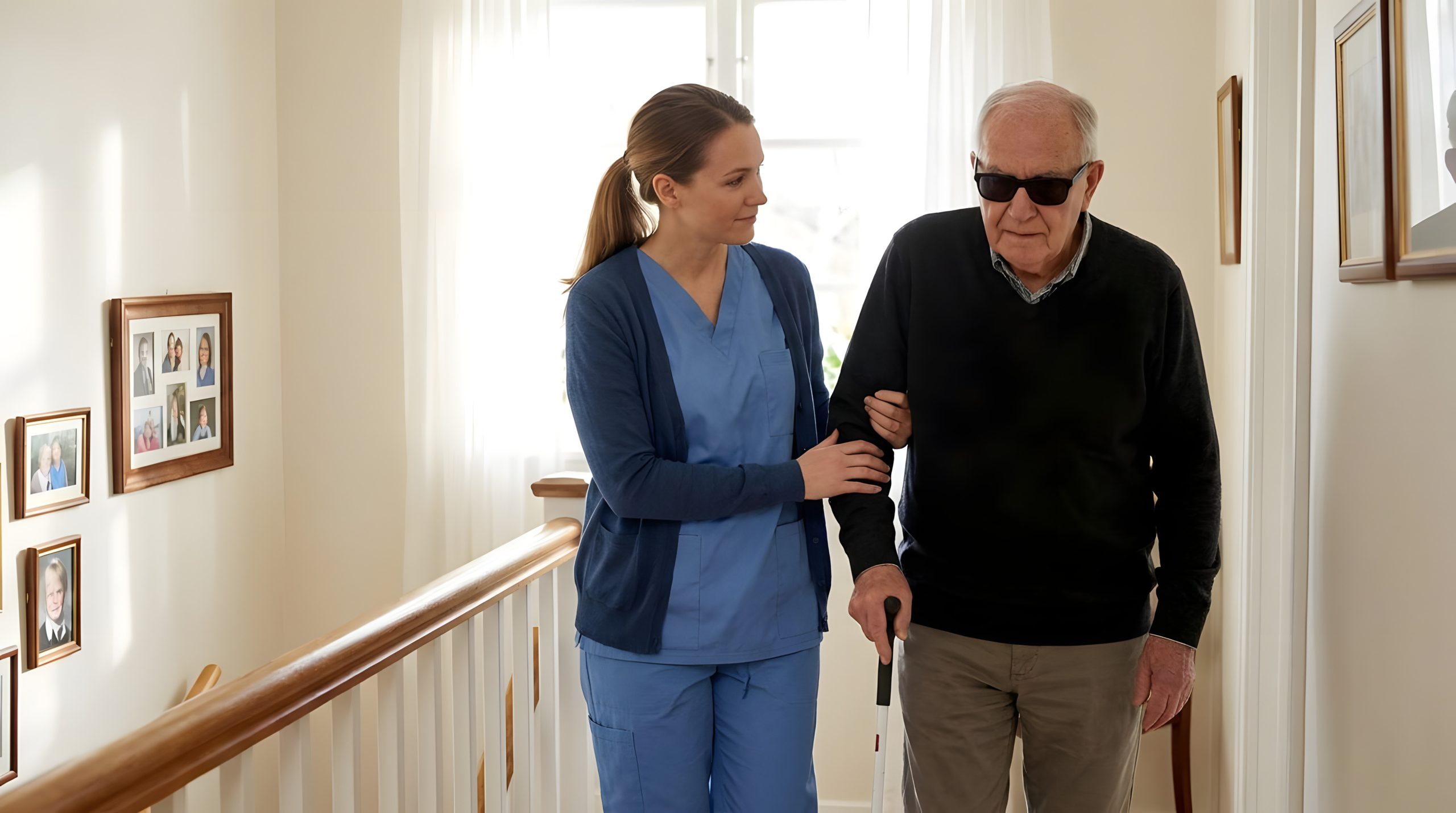
Since seniors are at risk of injury (especially from overuse) when exercising, it is best for seniors to learn and practice exercises with someone else is present – ideally an instructor or personal trainer, which may be more difficult during the pandemic. Assisting Hands Home Care serving CITY caregivers often help seniors take walks and engage in light exercise in the home – it’s just one of the many services available.
There are also many ways to make exercise a part of everyday life. Gardening, dancing (try a Zoom dance party with the grandkids!), even cleaning up around the house are all ways to be more active.
Video exercise can be great for people who can’t get out of the house but who need something more engaging. There are so many exercise videos available, from yoga to tai chi to seated exercise routines, it shouldn’t be hard to find a workout that works.
Best Seated Exercises
For seniors who have balance issues or other physical limitations, seated exercises are the safest way to stay active. Try these seated exercises and stretches:
- Ankle and wrist rolls
- Arm circles
- Single leg calf raises
- Sit and stand motions
- Seated hip marches
- Seated torso-twists
To keep bones and muscles strong, seniors can add light weights to these exercises. The safest options are weights that can be strapped to ankles or wrists.
Don’t Forget These Body Parts!
There’s more to the body than major muscle groups. Seniors can stay healthy by exercising the following overlooked body parts as well:
- Eyes
- Brain
- Fingers
- Wrists
Keeping these body parts active can involve reading, memorizing new things, or even using small devices to increase finger strength and dexterity. While these exercises might not improve heart health, they can help seniors maintain skills, abilities, and mental sharpness.
Exercise is also a proven form of pain relief, but there are some exercises that can exacerbate existing problems. Things like using the leg press, doing crunches, and chest presses can all put too much pressure in areas that need a more gentle workout. And if someone has never been a runner – retirement is not the time to start! Instead try walking, swimming, and other exercises with less jarring impact to joints.
Your doctor is the best person to offer guidance on what types of exercise are safest. And if you are in need of help, support, and companionship at home – give us a call at Assisting Hands Home Care Cincinnati, OH.