When someone receives a dementia diagnosis, the focus naturally shifts to the person living with the disease. Families want answers. They want to understand what the future might look like, how to keep their loved ones safe, and what resources are available to help.
Those are important questions, but there’s another side of the equation that often gets overlooked. Every person living with dementia has someone walking beside him or her. It might be a spouse, an adult child, a sibling, or a close friend. Whoever steps into that role often becomes the organizer, advocate, problem solver, and emotional support system all at once.
Over the years, I’ve come to believe something very strongly: the caregiver is 50 percent of the equation. The wellbeing of the caregiver directly affects the wellbeing of the person receiving care. When caregivers are overwhelmed, exhausted, or isolated, everyone feels the effects. When caregivers receive support and have opportunities to recharge, both people benefit.
An Unexpected Journey
Most people don’t plan to become dementia caregivers. The role usually develops gradually, one responsibility at a time.
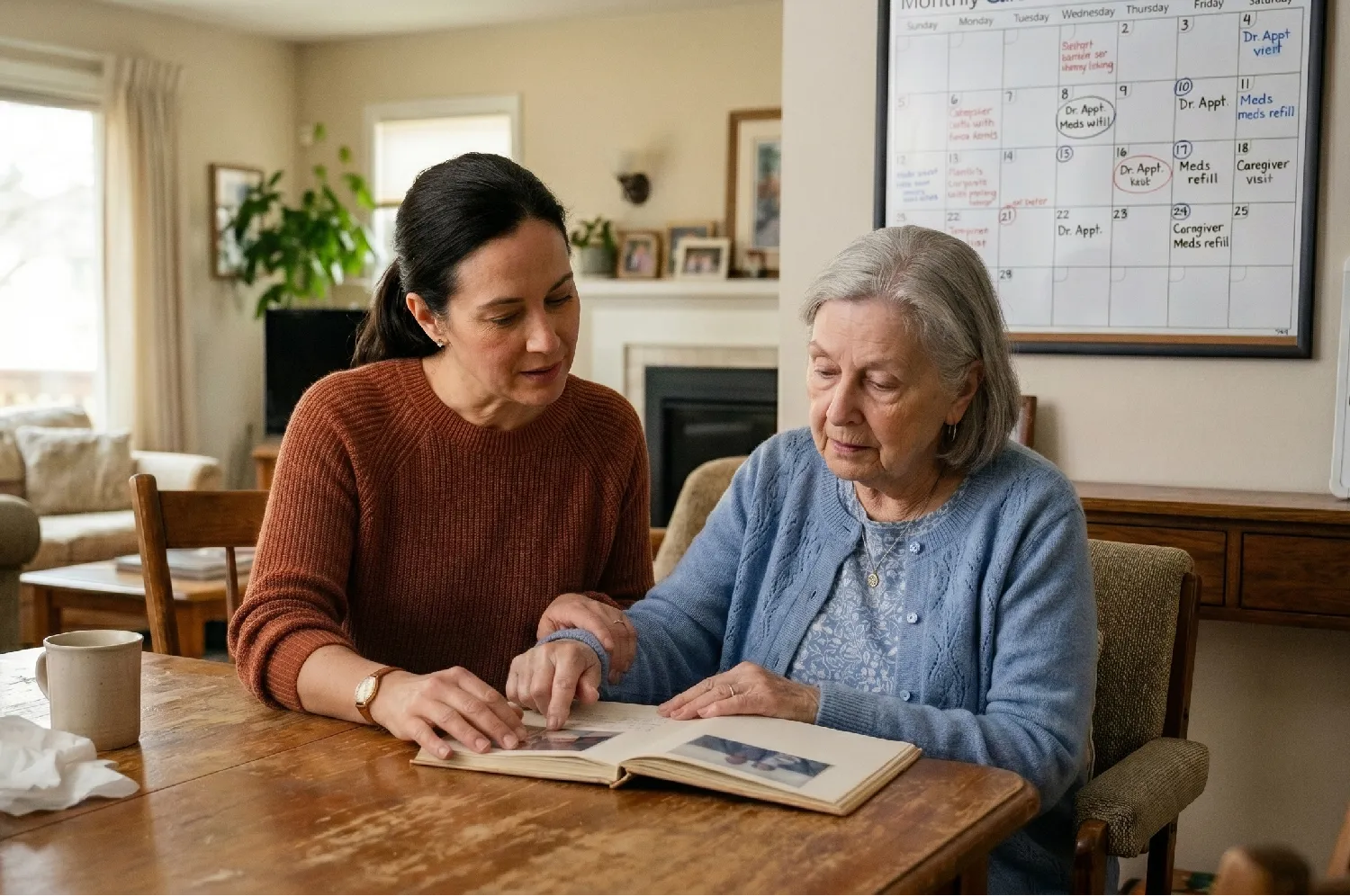
A spouse who once shared household duties may suddenly find him or herself handling the finances, scheduling appointments, managing medications, and making decisions alone. Adult children often discover they’re spending more time checking on a parent, helping with errands, or attending doctor visits. What begins as occasional assistance slowly becomes a central part of daily life.
The transition is so gradual that many caregivers don’t realize how much has changed until they stop and look back. One day they’re helping with a few tasks, and before they know it, they’re coordinating nearly every aspect of another person’s life.
Many caregivers assume they should automatically know what to do. The truth is that dementia caregiving doesn’t come with instructions. Even people who have cared for other family members with dementia often discover every situation is different. Every family is different. Every person living with dementia is different.
That’s why one of the most important things caregivers can do is give themselves permission to learn as they go.
The Growing Weight of Responsibility
As dementia progresses, caregivers often find themselves taking on responsibilities that were once shared between two people.
I’ve spoken with countless spouses who never expected to manage their households alone. They suddenly become responsible for tasks their partners handled for decades. At the same time, they’re processing the emotional reality that the relationships themselves are changing.
Adult children face their own challenges. Many are balancing careers, raising children, and caring for aging parents simultaneously. They may spend their days at work and their evenings coordinating appointments, shopping for groceries, and responding to phone calls from parents who need help.
What makes caregiving particularly difficult is that the responsibilities rarely arrive all at once. They accumulate little by little until caregivers find themselves carrying far more than they ever imagined.
Even when families have the best intentions, caring for a senior loved one with dementia can be challenging. Fortunately, Assisting Hands Home Care is here to help. We are a leading provider of dementia care Cincinnati families can trust. You can take advantage of our flexible and customizable care plans, and our caregivers always stay up to date on the latest developments in senior care.
The Isolation Caregivers Often Feel
One topic that comes up frequently in caregiver support groups is loneliness.
Friends and family members often care deeply, but they may not fully understand what dementia caregiving looks like on a day-to-day basis. Social activities become harder to maintain. Plans get canceled. Hobbies are pushed aside. Over time, caregivers can feel disconnected from the people and activities that once brought them joy.
For spouses, there can be an additional layer of loneliness. The people who were once their partners in conversation, decision-making, and daily life may no longer be able to participate in the same way. Although they’re still together, the relationship is changing, and that adjustment can be emotionally exhausting.
This is one reason support groups can be so valuable. I’ve watched caregivers walk into their first meetings feeling frustrated, overwhelmed, and alone. Then someone across the room shares a story that’s almost identical to their own.
Suddenly, they realize they’re not the only one facing these challenges.
There’s tremendous comfort in knowing someone else truly understands.
Learning to Accept Help
One of the hardest lessons for many caregivers is learning that accepting help isn’t a sign of weakness.
I remember a husband who was caring for his wife at home. He loved her deeply and felt strongly that he should be able to handle everything himself. Friends and family encouraged him to bring in additional support, but he resisted. He viewed asking for help as giving up.
Eventually, professional caregivers began assisting several days each week. What happened next surprised some people. As soon as the caregiver arrived, he would leave the house.
At first glance, it seemed unusual. But he wasn’t avoiding responsibility. He was reclaiming parts of his life that had gradually disappeared. Sometimes he met friends for lunch. Sometimes he ran errands. Sometimes he simply enjoyed a few hours without worrying about what might happen next.
When he returned home, he was calmer, more patient, and better equipped to support his wife. The care didn’t suffer because he took a break. In many ways, it improved.
His story is a reminder that taking care of yourself is part of taking care of someone else.
One of the most challenging tasks of helping a loved one age in place safely and comfortably is researching agencies that provide home care. Families can turn to Assisting Hands Home Care for reliable, high-quality Cincinnati home care for aging adults. We offer 24-hour care for seniors who require extensive assistance, and we also offer respite care for family caregivers who need a break from their caregiving duties.
Understanding Your Limits
Many caregivers hold themselves to impossible standards. They believe they should be able to do everything, solve every problem, and meet every need on their own.
When reality doesn’t match those expectations, guilt often follows.
One idea I frequently share with caregivers is to ask themselves three questions: What do I want to do? What am I willing to do? And what am I capable of doing?
Those answers aren’t always the same, and that’s okay.
A caregiver may want to provide all of a loved one’s care personally but realize he or she isn’t physically capable of doing so. Another may be willing to manage appointments and household tasks but need help with personal care. Recognizing those limits isn’t selfish. It’s realistic.
The goal isn’t to do everything. The goal is to create a care plan that works for everyone involved.
The Importance of Recharging
Caregiving can easily become an around-the-clock responsibility. Many caregivers become so focused on meeting someone else’s needs that they stop paying attention to their own.
I’ve met caregivers who postponed medical appointments for themselves because they were busy managing someone else’s healthcare. Others stopped exercising, gave up hobbies, or drifted away from friendships because there never seemed to be enough time.
At first, these sacrifices often feel temporary. But months can turn into years, and eventually caregivers realize they’ve lost touch with many of the things that once helped them stay healthy and balanced.
The caregivers who navigate this journey most successfully understand the importance of recharging. That might mean attending a support group, meeting a friend for coffee, taking a walk, spending time with family, or simply enjoying a few quiet hours alone.
The activity itself isn’t what matters most. What matters is creating opportunities to step away, breathe, and reconnect with yourself.
During a caregiver discussion, one woman shared a realization that has stayed with me for years. She said, “I spend so much time worrying about my husband that I forget I’m part of this too.”
Her words capture something many caregivers experience.
Dementia affects seniors living with the disease, but it also affects the people who walk beside them every day. That’s why caregiver support isn’t a luxury. It’s an essential part of high-quality dementia care.
The caregivers who navigate this journey most successfully aren’t the ones who never need help. They’re the ones who learn to accept support, build connections, and make room for their own wellbeing along the way.
Because at the end of the day, caring for yourself isn’t separate from caring for your loved one. It’s one of the most important things you can do for both of you.
Family caregivers need to care for their own wellbeing. If you’re caring for an aging loved one and are feeling overwhelmed, consider hiring a professional caregiver. Whether you need respite from your caregiving duties or your aging loved one needs Cincinnati 24-hour home care, Assisting Hands Home Care can meet your family’s care needs. Our dedicated caregivers are available around the clock to provide transportation to doctor’s appointments, ensure seniors take their prescribed medications, and help with a variety of tasks in and outside the home.
Families often devote so much time and energy to supporting a loved one that their own needs fall to the bottom of the list. Professional home care can provide valuable assistance, giving families time to rest, recharge, and focus on maintaining their own health and wellbeing while ensuring their loved ones receive compassionate, high-quality care. If your family is navigating the challenges of dementia, the experienced caregivers at Assisting Hands Home Care Cincinnati are here to help. Call today to speak with a friendly and experienced Care Manager to formulate a home care plan for your loved one.
If you’d like to learn more about dementia, join me in my next Real Talk webinar, where each month I take a deep dive into one dementia-related topic. Learn more and register here.