Veterans Home Care

Veterans Home Care Cincinnati Families Can Turn To
Veterans deserve compassionate support that respects their service, routines, and independence. When everyday activities become difficult, care at home can help these individuals remain comfortable in familiar surroundings while giving their families greater peace of mind. Assisting Hands Home Care Cincinnati provides personalized nonmedical assistance shaped around each veteran’s needs, preferences, and schedules. Support may include help with personal care, meals, mobility, companionship, and respite for family caregivers. Families exploring veterans home care in Cincinnati can reach out to Assisting Hands Home Care to discuss available services, daily goals, and questions about possible VA benefits before deciding on the next steps. Every care plan should consistently prioritize your loved one’s dignity, safety, and individual choices.
Compassionate In-Home Care for Veterans in Cincinnati
Every veteran has unique experiences, preferences, and care requirements. Some may need occasional assistance with household responsibilities, while others benefit from regular help with personal hygiene, mobility, or daily routines. Receiving support at home can help veterans maintain familiar habits and continue enjoying the comfort of their own surroundings.
Families considering veterans home care in Cincinnati should look for services that respect individual preferences while addressing practical daily challenges. A personalized care plan can help you identify which activities require assistance, how frequently visits are needed, and what support will help your loved one maintain independence.
Select the Care You Need


Personalized Home Care Services for Veterans
Home care services should reflect the veteran’s individual needs, abilities, and established routines. Depending on your loved one’s care plan, nonmedical assistance may include the following services.
Personal Care and Assistance with Daily Activities
Personal care can help veterans manage everyday activities while preserving dignity and privacy. Caregivers may assist with:
- Bathing, grooming, and dressing
- Toileting and personal hygiene
- Getting ready for the day and preparing for bedtime
- Maintaining comfortable and consistent daily routines
The level of assistance should match your loved one’s abilities and preferences. Encouraging independence wherever safely possible helps veterans remain involved in their own daily decisions.

Mobility Support and Fall Prevention
Mobility challenges can make moving around the home more difficult. Caregivers may provide agreed-upon assistance with walking, standing, and everyday movement. They can also keep frequently used areas organized and pathways clear.
Families should discuss balance concerns, mobility limitations, and previous falls during the care assessment. Any specialized equipment recommendations or medical concerns should be addressed with qualified healthcare professionals.
Companionship and Social Engagement
Companionship offers meaningful social interaction and opportunities to enjoy familiar interests. Caregivers may spend time talking, reading, playing games, or participating in suitable activities.
Regular companionship can reduce feelings of isolation and provide structure throughout the day. Activities should reflect your loved one’s interests, comfort level, and personal preferences rather than following a one-size-fits-all routine.
Meal Preparation and Light Housekeeping
Everyday household tasks can become challenging when a veteran has limited energy or mobility. Depending on the care plan, assistance may include:
- Preparing simple meals and snacks
- Washing dishes and maintaining kitchen organization
- Completing laundry and light housekeeping
- Organizing commonly used household items
Caregivers can follow established food preferences and household routines. Veterans with prescribed diets or complex nutritional needs should receive guidance from an appropriate healthcare professional.
Medication Reminders and Daily Routines
Medication reminders may help veterans stay consistent with an established routine when this service is included in their care plan. The type of assistance available depends on caregiver training, agency policies, and applicable requirements. Caregivers shouldn’t independently change prescriptions, doses, or treatment instructions.
Respite Care for Family Caregivers
Family members often balance caregiving with employment, household responsibilities, and their own personal needs. Respite care offers temporary relief while an appropriate caregiver provides agreed-upon assistance to the veteran.
Families may arrange respite visits for appointments, errands, rest, or other commitments. Planning ahead can help relatives manage caregiving responsibilities while maintaining a dependable support arrangement for their loved one.
Understanding VA Home Care Benefits for Veterans
The Department of Veterans Affairs offers programs that may help eligible veterans access certain home care services. However, program requirements, clinical needs, authorization, and payment arrangements vary. Families should confirm eligibility directly with the VA before assuming particular services will be covered.
VA Homemaker and Home Health Aide Program
The VA Homemaker and Home Health Aide program may provide eligible veterans with assistance from trained aides when services are appropriate and available through their VA care arrangements.
The VA determines eligibility and coordinates services according to program requirements. Families should ask whether a referral or authorization is needed and verify their chosen provider is authorized to deliver the particular service. Not every private home care agency automatically participates in VA community care arrangements.
VA Aid and Attendance Benefits
Aid and Attendance is an increased VA pension benefit for qualifying veterans and survivors who meet applicable service, financial, and care-related requirements. It’s distinct from the Homemaker and Home Health Aide program.
Approval isn’t guaranteed, and benefit amounts depend on individual circumstances and current VA rules. Families should consult official VA guidance to understand application requirements and avoid relying on promises of guaranteed benefits.
Understanding Eligibility and Potential Care Costs
Before choosing a care arrangement, families should ask:
- Which VA programs might apply to my loved one?
- Is a clinical assessment, referral, or prior authorization required?
- Does the provider participate in the relevant program?
- Are co-payments, private-pay charges, or other expenses possible?
Confirming these details helps families understand their options and make informed financial decisions.
Who May Benefit from In-Home Care Services?
In-home assistance may benefit veterans who want to remain at home but need help managing everyday activities. This can include individuals experiencing mobility limitations, difficulty completing household tasks, or a need for regular companionship.
Families may also benefit when work schedules or other responsibilities make it difficult to provide consistent assistance throughout the day. Depending on assessed needs and service availability, support may be arranged for occasional visits or a more regular schedule.
Nonmedical home care doesn’t replace nursing, medical treatment, rehabilitation, or emergency services. If your loved one’s needs change, review the care plan and consult appropriate healthcare professionals.
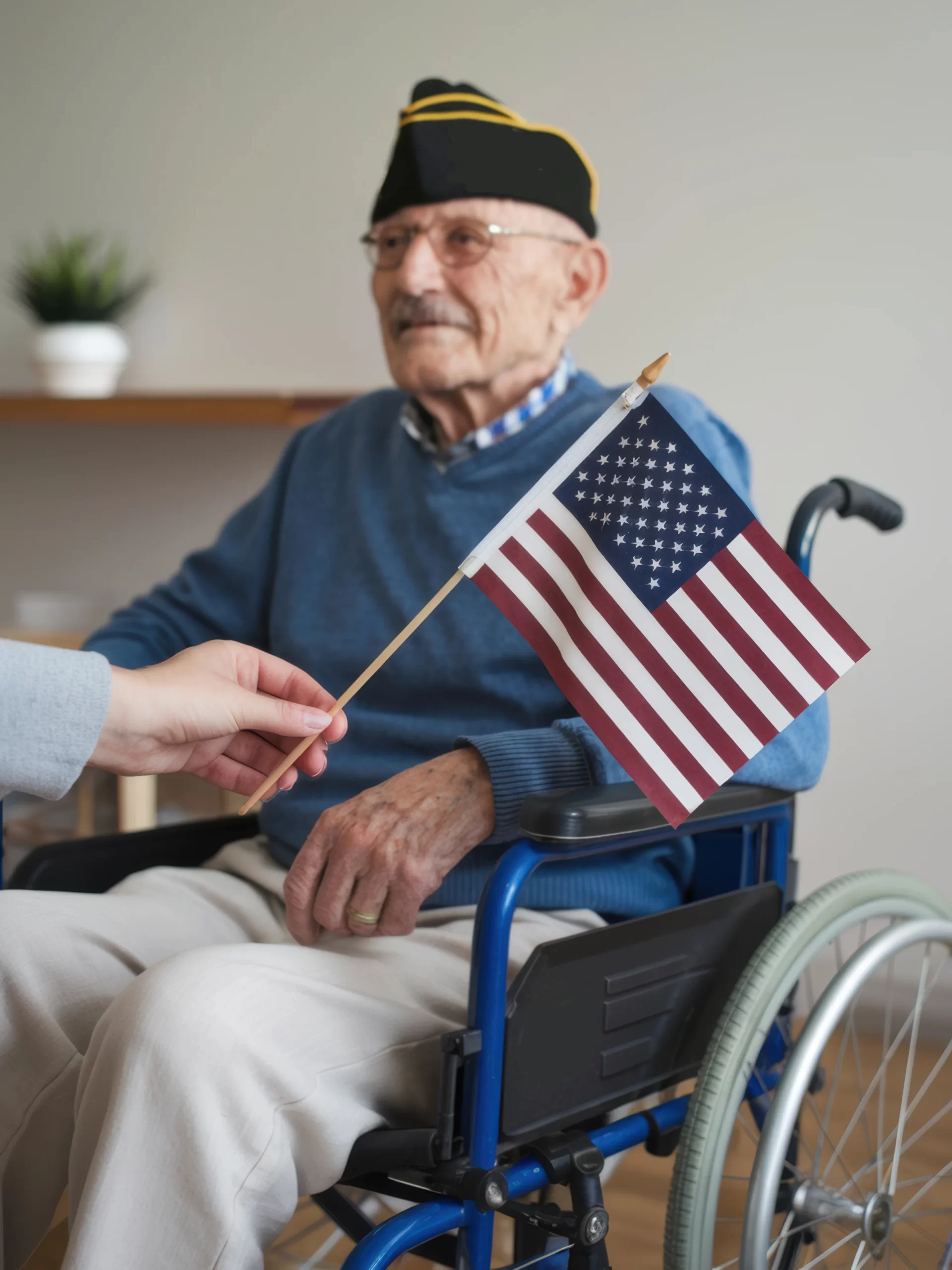
How to Arrange Home Care for a Veteran in Cincinnati
Arranging care becomes easier when families understand their priorities before contacting a provider. Start by identifying the daily activities that have become difficult, your preferred schedule, and any safety or communication concerns.
Families seeking veterans home care in Cincinnati can use these steps to get started:
- Identify care needs – List daily activities your loved one requires assistance with, preferred routines, and household concerns.
- Discuss available services – Contact a home care provider to learn about service options, scheduling, caregiver screening, and the assessment process.
- Explore VA eligibility – Contact the VA to verify applicable programs, referrals, authorization requirements, and potential costs.
- Develop a care plan – Agree on responsibilities, visit schedules, communication preferences, and the services that will be provided.
- Review the arrangement – Reassess the plan when your loved one’s needs, abilities, or family circumstances change.
Clear communication helps everyone understand the expectations before care begins.

Why Choose a Home Care Provider for a Veteran?
Choosing a home care provider requires attention to both practical needs and personal preferences. Families should ask about caregiver screening, training, supervision, scheduling flexibility, backup arrangements, and communication procedures.
Assisting Hands Home Care Cincinnati can discuss your loved one’s daily routines, your family’s priorities, and potential nonmedical support options. Families should confirm service availability and ask how care plans are developed and reviewed. Any VA participation or payment arrangements should be independently verified rather than assumed.
A suitable provider should encourage respectful communication, protect the veteran’s privacy, and provide clear information about services and costs. These conversations help families make informed decisions and establish realistic expectations for ongoing support.
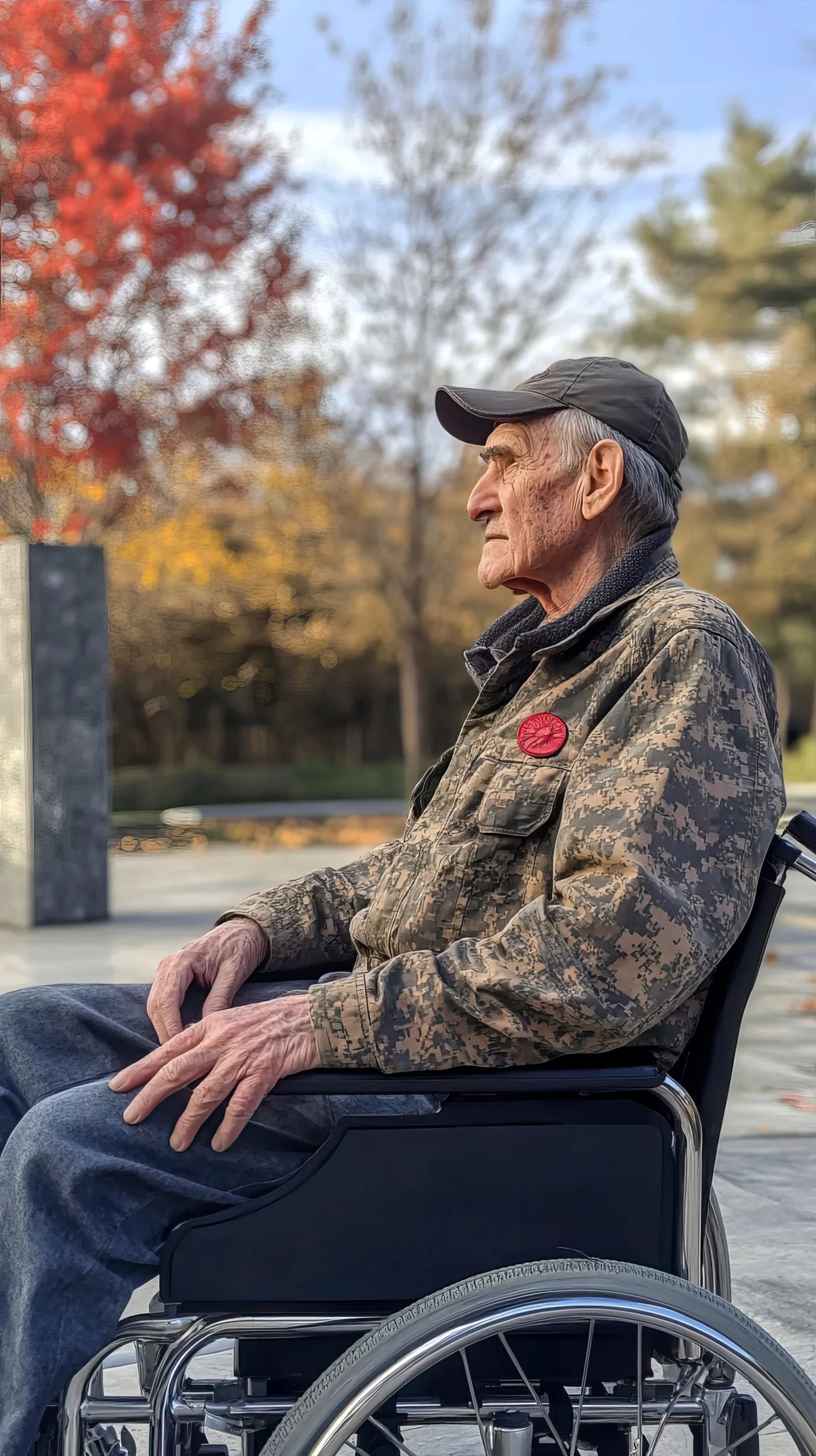
Get Started with Personalized Home Care for Veterans
Finding appropriate support begins with understanding what would make everyday life more comfortable, manageable, and safe for your loved one. Families can start by discussing daily challenges, identifying preferred routines, and asking questions about available services and potential costs.
Contact Assisting Hands Home Care Cincinnati to discuss personalized nonmedical care options and request a conversation about your family’s needs. If you’re exploring veterans home care in Cincinnati, taking time to understand the available support can help you develop a practical plan that respects your loved one’s independence, personal preferences, and dignity while giving your family greater confidence in the care arrangement.
Request a ConsultationFrequently Asked Questions
Some veterans may qualify for VA-supported home care or other benefits. Coverage depends on eligibility, the specific program, clinical requirements, and provider arrangements. Contact the VA to confirm your options.
Eligibility varies by program. The VA may consider healthcare needs, enrollment, service history, financial circumstances, or other program-specific requirements. The VA can provide guidance on individual eligibility.
Depending on the care plan, services may include personal care, companionship, meal preparation, light housekeeping, mobility assistance, and medication reminders. Confirm specific responsibilities with the provider before care begins.
Yes, in-home assistance may be arranged in a family household when the veteran’s needs and the provider’s service requirements can be met. Families should discuss scheduling, privacy, and responsibilities during the initial assessment.
Begin by identifying your loved one’s daily needs and contacting a provider to discuss available services. If VA benefits are being considered, contact the VA directly to verify eligibility and applicable requirements.