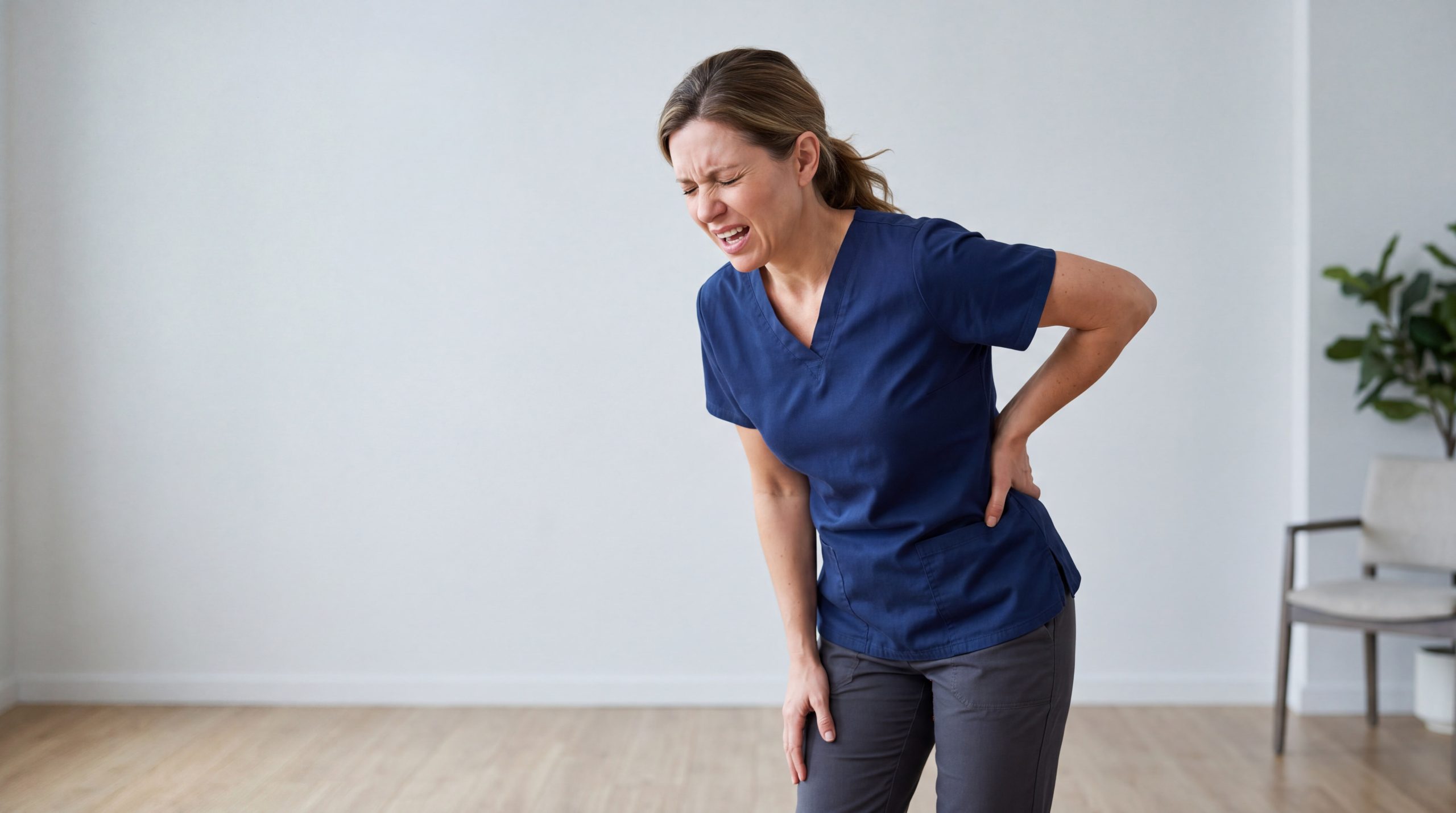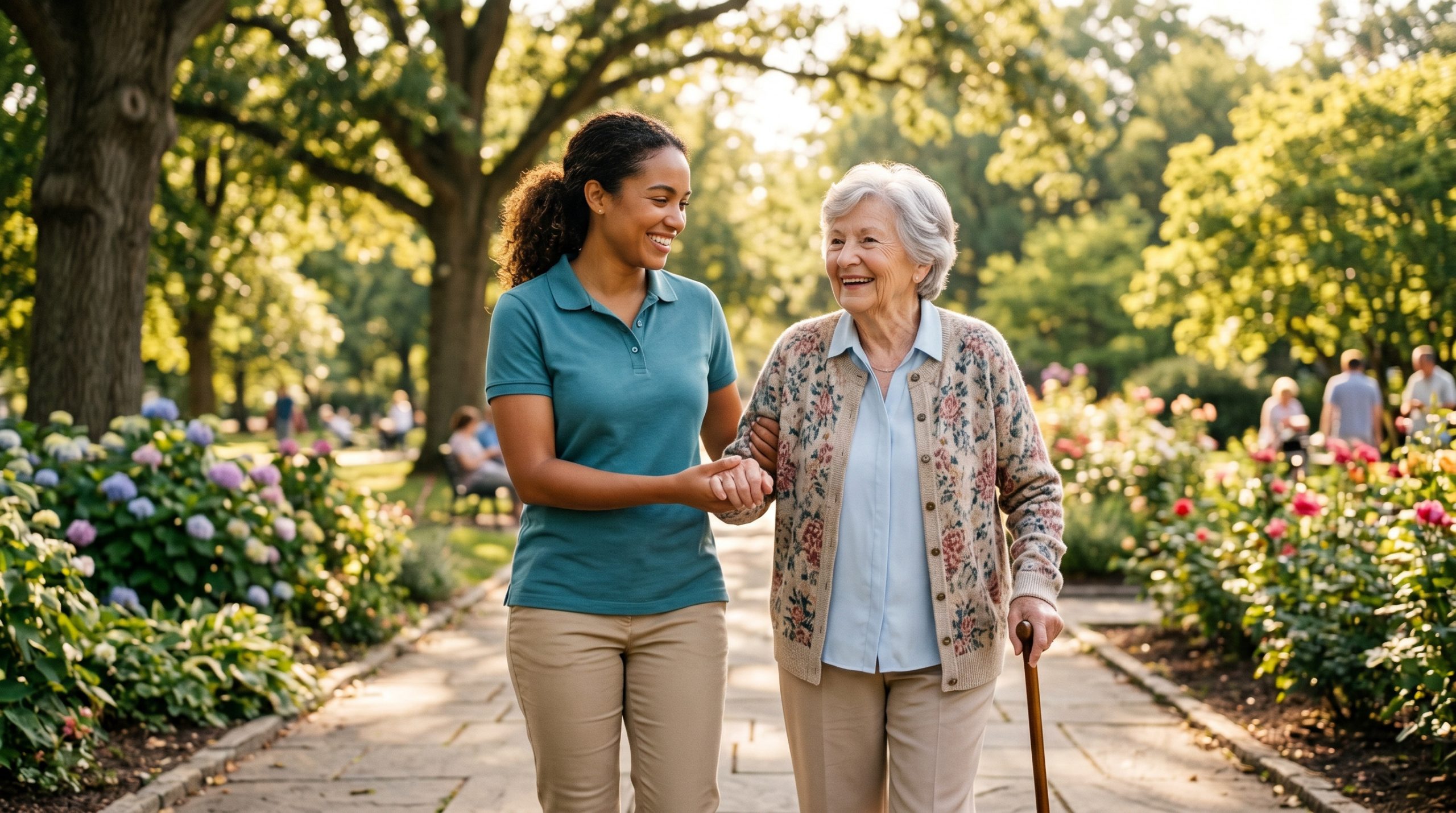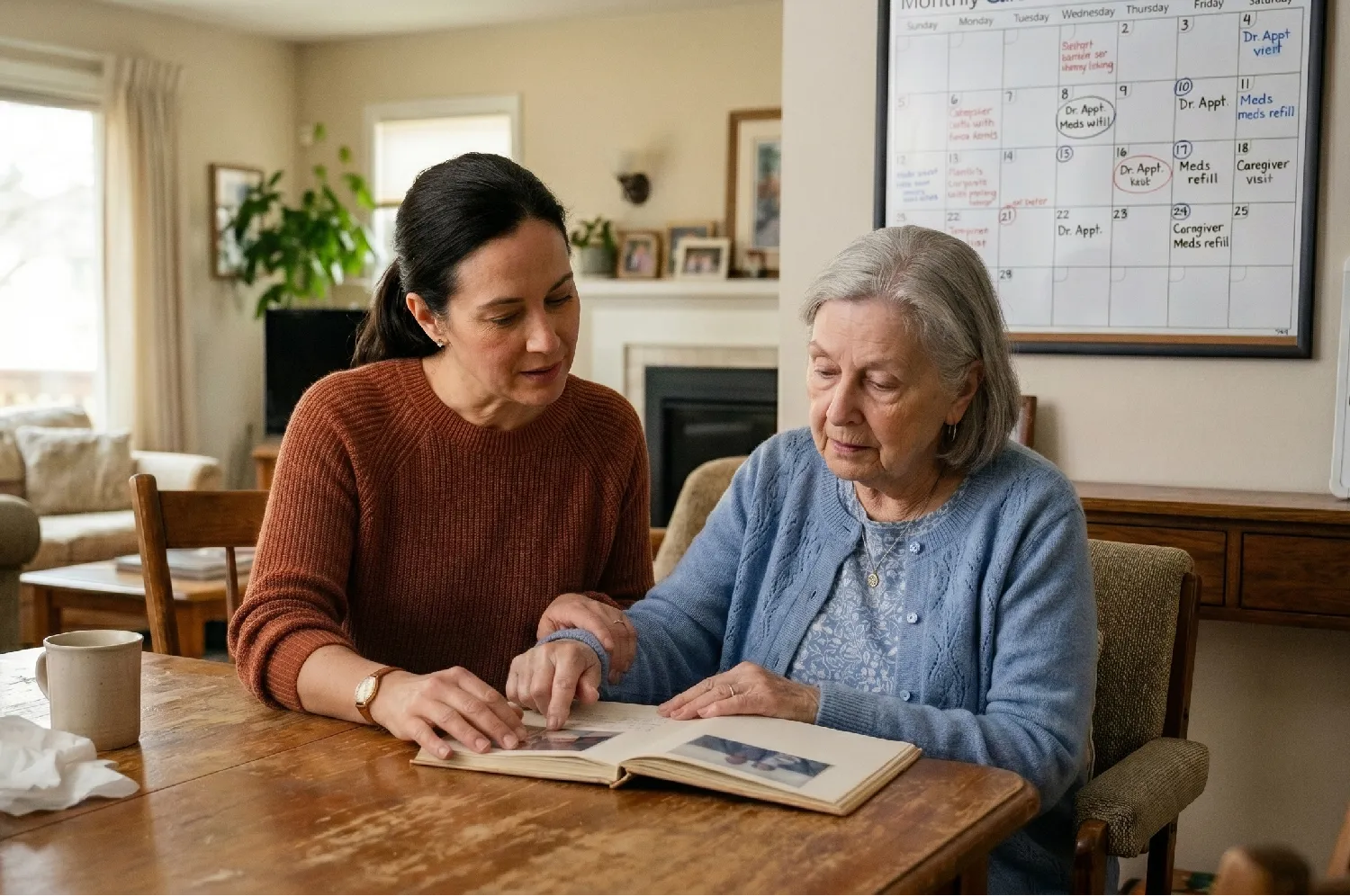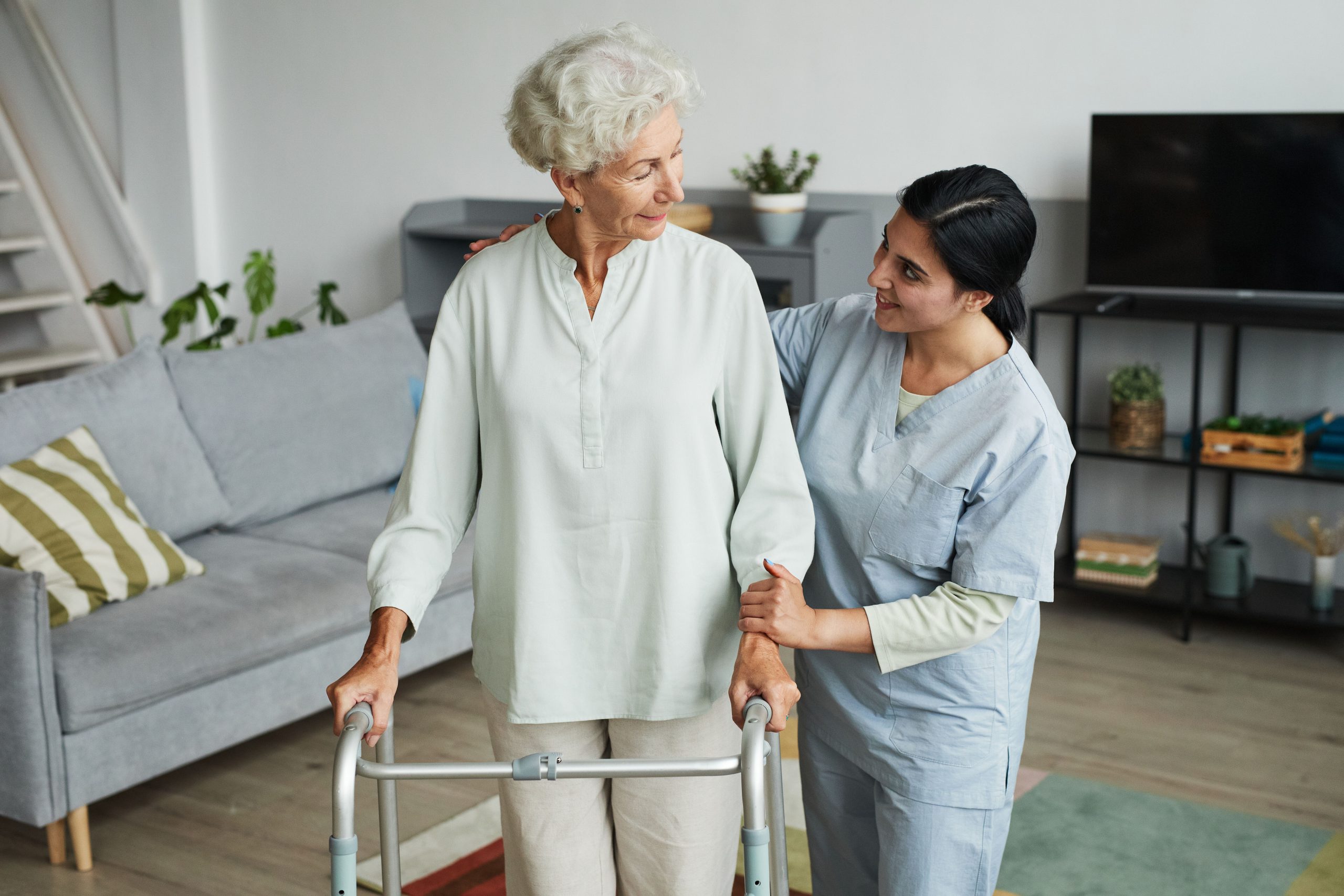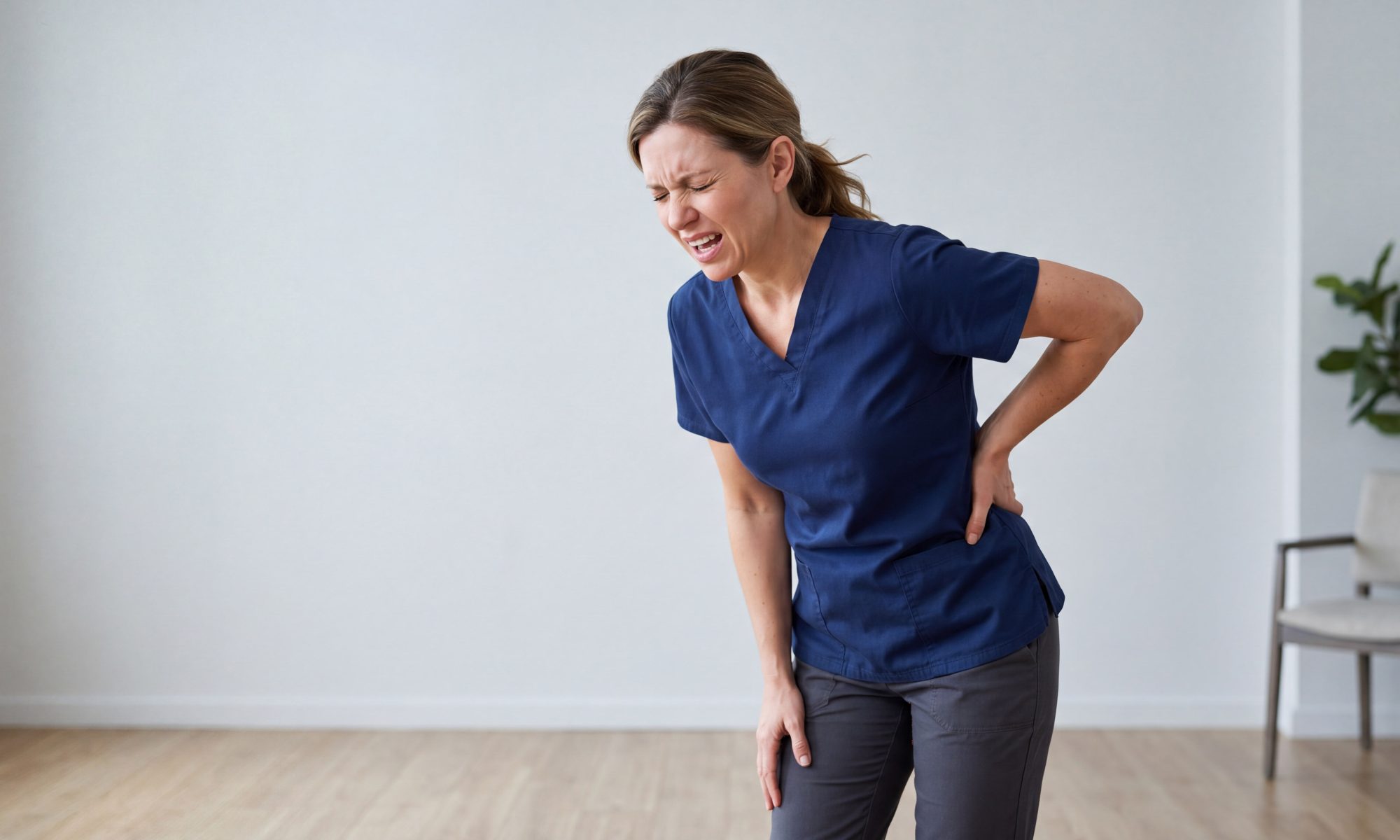
Home caregiving takes a serious physical toll on caregivers, leading to chronic pain, fatigue, and injury, but with the right strategies, these risks can be significantly reduced. Experts recommend ergonomic techniques, regular movement, and structured rest to protect caregivers’ long-term health.
What Are the Most Common Physical Challenges Home Caregivers Face?
Caregivers frequently experience a range of physical health issues, including:
- Back and joint pain from lifting, transferring, or repositioning
- Chronic fatigue caused by irregular sleep and around-the-clock demands
- Musculoskeletal injuries from repetitive movements like bending and reaching
- Neck and shoulder tension from prolonged awkward postures
According to the National Alliance for Caregiving, more than 40 percent of family caregivers report high levels of physical strain, making it one of the most underrecognized occupational health risks.
Seniors can face a variety of age-related challenges. Though some families choose to take on the caregiving duties, there may come a time when they need trusted home care for their loved ones living in Cincinnati. Families sometimes need respite from their duties so they can focus on their other responsibilities, and some seniors need around-the-clock assistance that their families are not able to provide. Assisting Hands Home Care is here to help.
How Does Improper Lifting Contribute to Caregiver Injuries?
Improper lifting is one of the leading causes of injury among home caregivers. Bending at the waist rather than the knees places enormous pressure on the lumbar spine, increasing the risk of herniated discs and chronic lower back pain.
Key risk factors include:
- Lifting without assistance or adaptive equipment
- Twisting the torso during transfers
- Supporting a care recipient’s full body weight without proper technique
Experts consistently emphasize that most lifting-related injuries are preventable with proper training and the right tools.
What Ergonomic Strategies Can Reduce Physical Strain for Home Caregivers?
Ergonomics—the practice of designing tasks to fit the human body—offers practical solutions for reducing caregiver strain:
- Use transfer belts and slide sheets to minimize direct lifting.
- Adjust bed and chair heights to reduce bending during care tasks.
- Invest in a shower chair or grab bars to support bathing assistance.
- Position yourself close to your loved one before any transfer to reduce reach distance.
- Keep frequently used items at waist level to avoid repetitive stooping.
Small environmental adjustments can make a significant difference in daily physical demand.
How Can Caregivers Protect Their Bodies through Movement and Rest?
Sustainable caregiving requires intentional self-care. Experts recommend the following:
- Stretch regularly—particularly the lower back, hamstrings, and shoulders—to counteract the effects of repetitive movement.
- Take small breaks throughout the day to reset posture and reduce muscle fatigue.
- Prioritize sleep by coordinating nighttime care duties with other family members when possible.
- Incorporate light strengthening exercises to build the core and back muscles that support caregiving tasks.
Rest isn’t a luxury in caregiving—it’s a protective factor against injury and burnout.
Family caregivers need to care for their own wellbeing. If you’re caring for an aging loved one and are feeling overwhelmed, consider hiring a professional Cincinnati caregiver to provide the respite or overnight home care you and your loved one need. Families who want to prevent burnout can turn to Assisting Hands Home Care. One of our professional caregivers can assist your loved one at home while you take a nap, go to work, run errands, or get a good night’s sleep.
What Resources and Support Systems Can Help Caregivers Manage the Physical Demands?
No caregiver should manage physical demands entirely alone. Several support options can lighten the load:
- Respite care services provide temporary relief, allowing caregivers scheduled time to recover.
- Home health aide training programs teach safe handling and transfer techniques.
- Caregiver support groups offer peer guidance and practical tips from those with shared experience.
- Local Area Agencies on Aging connect caregivers to community resources, including assistive equipment loans.
Accessing available support is one of the most effective steps a caregiver can take to protect his or her physical health over the long term.
If you’re the primary family caregiver for an elderly loved one, Cincinnati 24-hour home care is available around the clock if your loved one’s health has become too difficult to manage without professional expertise. At Assisting Hands Home Care, we take measures to help seniors prevent illness and injury by assisting with exercise and mobility, preparing nutritious meals, helping with bathing and other personal hygiene tasks, and much more. To learn about our high-quality in-home care options, give us a call today.
Frequently Asked Questions
What are the most common physical injuries among home caregivers?
+
The most common injuries include lower back pain, shoulder strain, and repetitive stress injuries, most often caused by lifting, transferring, and prolonged awkward postures.
How can a caregiver prevent back injuries when assisting with transfers?
+
Using proper body mechanics—bending the knees, keeping the back straight, and staying close to the person being transferred—significantly reduces the risk of back injury. Assistive devices like transfer belts also help.
How many hours of caregiving per week present a high risk for physical strain?
+
Research suggests that caregivers providing more than 20 hours of care per week face a substantially elevated risk of physical health issues, particularly when breaks and support systems are limited.
Is caregiver physical strain different from standard workplace strain?
+
Yes. Home caregivers often lack the ergonomic training, equipment access, and regulatory protections that formal healthcare workers receive, making them more vulnerable to unaddressed physical injury.
What assistive devices are most effective for reducing physical strain at home?
+
Transfer belts, bed rails, shower chairs, grab bars, and adjustable hospital-style beds are among the most effective tools for reducing the physical demands of home caregiving.