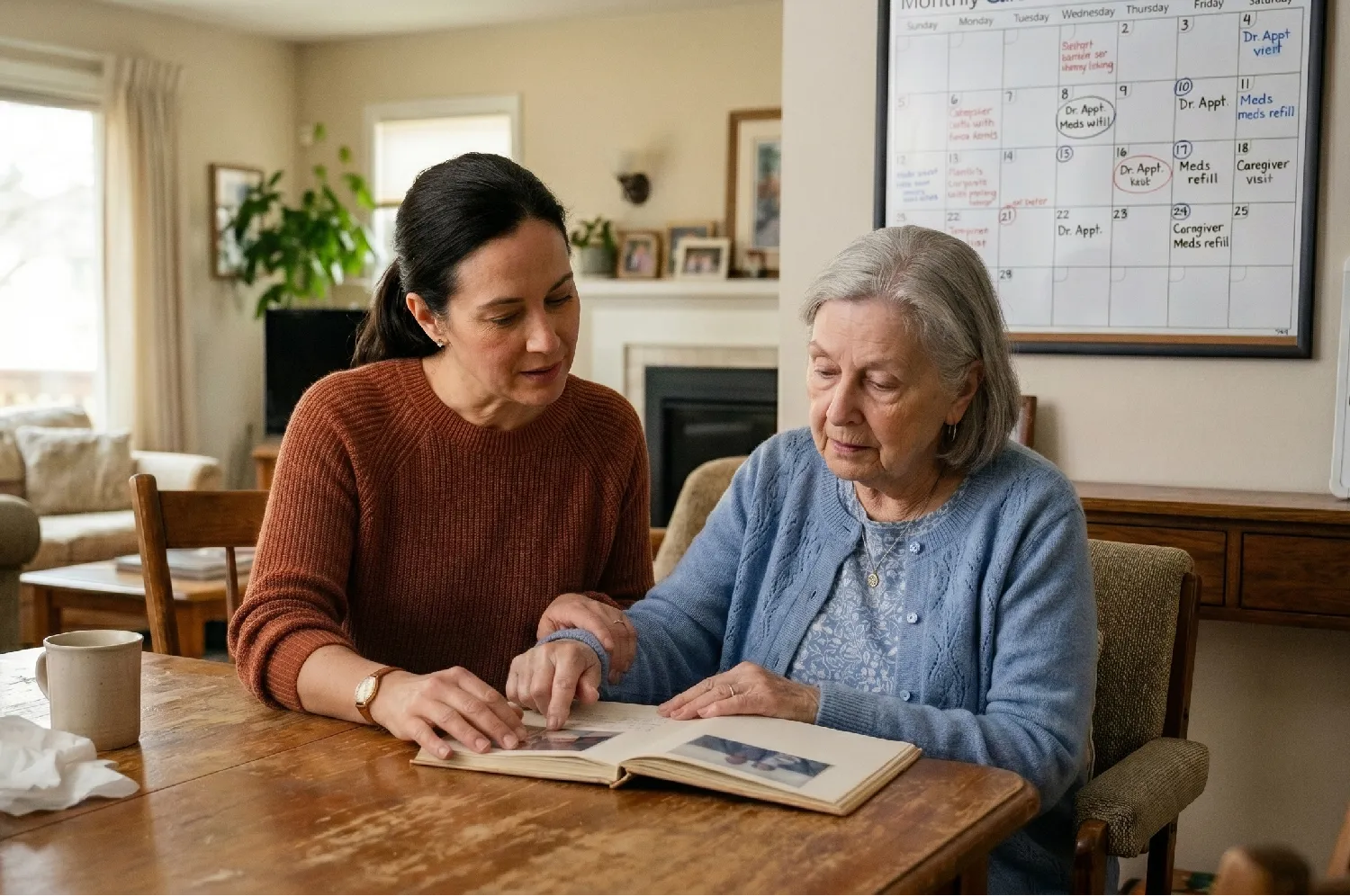
Vision and hearing loss can significantly worsen dementia symptoms by increasing confusion, reducing communication, and accelerating cognitive decline, making sensory care a critical but often overlooked part of dementia management.
Vision and hearing loss are among the most common and least recognized challenges faced by people living with dementia. When left unaddressed, these sensory impairments can amplify confusion, isolation, and behavioral changes, making daily care far more difficult for both individuals and caregivers.
Certain age-related conditions can make it more challenging for seniors to age in place safely and comfortably, but top-rated 24-hour home care experts are available around the clock to help Cincinnati seniors manage their health. Whether your loved one is living with dementia or recovering from a stroke, you can trust the professional caregivers from Assisting Hands Home Care to enhance his or her quality of life. At Assisting Hands Home Care, we take measures to help seniors prevent illness and injury by assisting with exercise and mobility, preparing nutritious meals, helping with bathing and other personal hygiene tasks, and much more.
How Does Sensory Loss Affect People with Dementia?
Sensory impairments compound the cognitive challenges already present in dementia. When seniors cannot see or hear clearly, their brains receive incomplete information about the world around them, which can:
- Increase disorientation and confusion
- Trigger anxiety, agitation, or withdrawal
- Worsen existing memory and communication difficulties
- Lead to misdiagnosis of behavioral symptoms
How Does Vision Loss Specifically Impact Dementia Symptoms?
Poor vision makes it harder for people with dementia to navigate their environments safely and recognize familiar faces. This can result in:
- Increased falls and injury risk
- Difficulty reading, watching TV, or engaging in meaningful activities
- Greater dependence on caregivers for basic tasks
- Heightened feelings of fear or paranoia in unfamiliar settings
How Does Hearing Loss Worsen Dementia-Related Challenges?
Hearing loss creates a communication barrier that isolates individuals with dementia from their caregivers and loved ones. Key impacts include:
- Misunderstandings that lead to frustration on both sides
- Social withdrawal and loneliness
- Greater difficulty following instructions or participating in care routines
- Increased cognitive load as the brain works harder to process incomplete sounds
Both dementia and impaired hearing can affect the ability to age in place safely and independently, and you may need to hire a dedicated caregiver to help your loved one manage everyday tasks. If your senior loved one has been diagnosed with a serious condition and needs help with tasks like meal prep, transportation, medication reminders, bathing, and grooming, reach out to Assisting Hands Home Care, a leading provider of Cincinnati home care service. We also offer comprehensive care for seniors with dementia, Alzheimer’s, and Parkinson’s.
What Are the Best Ways to Support Sensory Needs in Dementia Care?
Caregivers can make meaningful enhancements with a few targeted strategies:
- Improve lighting – Bright, even lighting reduces shadows that can cause visual confusion.
- Reduce background noise – Quieter environments help those with hearing difficulties focus on conversations.
- Use clear, simple communication – Face your loved one directly, speak slowly, and use visual cues.
- Check and maintain aids – Ensure glasses are clean and hearing aids are functioning and properly fitted.
- Adapt the environment – Contrasting colors on furniture and floors can aid visual navigation.
How Can Caregivers Identify Undiagnosed Sensory Loss in Dementia Patients?
Because people with dementia may have difficulty articulating sensory difficulties, caregivers should watch for these signs:
- Withdrawing from conversations or social situations
- Frequently misunderstanding what’s said
- Bumping into objects or misjudging distances
- Unusual reactions to lighting or sound
- Increased agitation without an obvious cause
If your loved one has been diagnosed with hearing or vision loss along with dementia, a professional caregiver can be a wonderful resource for your whole family. Caring for seniors with dementia can be challenging for family caregivers. Luckily, there is dementia home care Cincinnati families can rely on. Professional dementia caregivers help seniors with dementia stay safe and comfortable at home by preventing wandering, providing cognitive stimulation, and assisting with household chores. If your loved one needs professional care, Assisting Hands Home Care is here to help. Call one of our dedicated Care Managers today to learn about the high quality of our in-home care services.
Frequently Asked Questions
Can hearing loss increase the risk of developing dementia?
+
Research, including a notable study by Johns Hopkins University, suggests that untreated hearing loss is associated with a higher risk of cognitive decline, though the relationship is still being studied.
Does treating vision or hearing loss slow cognitive decline?
+
Addressing sensory impairments may reduce some behavioral symptoms and enhance quality of life, though results vary depending on the stage and type of dementia.
Are hearing aids effective for people with dementia?
+
Hearing aids can be beneficial, but individuals with dementia may need extra support learning to use and maintain them consistently.
How common is sensory loss among people with dementia?
+
Sensory impairment is very common in this population, largely because dementia primarily affects older adults, who already face higher rates of age-related vision and hearing loss.
What communication strategies work best when someone has both dementia and hearing loss?
+
Short, clear sentences paired with gentle touch, facial expressions, and written cues tend to be the most effective strategies for enhancing understanding.