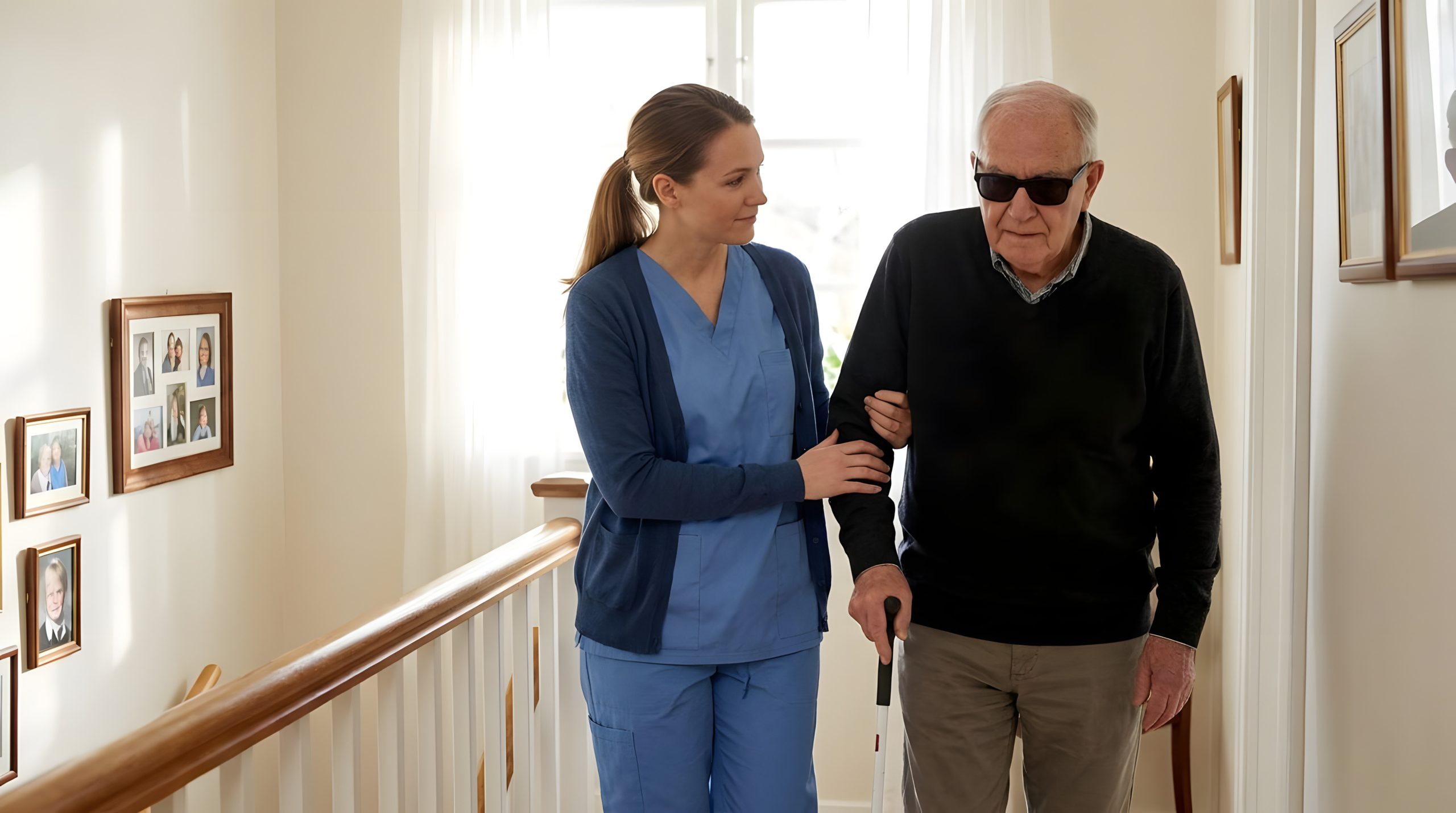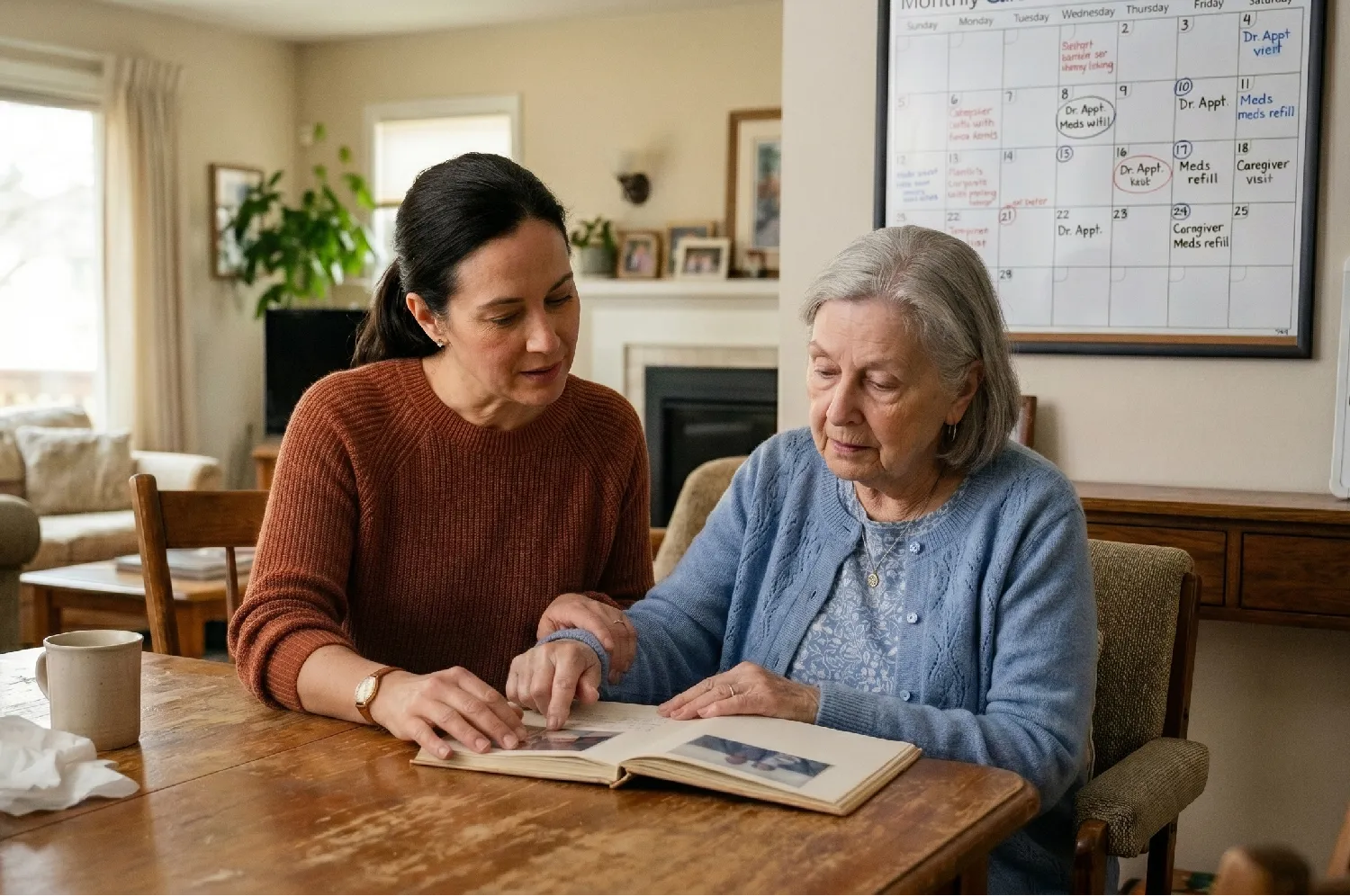
A caregiver can support a senior loved one with a chronic illness by providing consistent emotional backing, assisting with daily household tasks, and fostering a comfortable living environment. This steady presence can ease your loved one’s daily stress and promotes a much-needed sense of stability. By focusing on empathy and practical help, you can significantly boost your loved one’s overall quality of life.
How Can I Provide Emotional Support?
You can provide emotional support by actively listening to your loved one’s feelings without judgment and offering a comforting, steady presence.
- Acknowledge your loved one’s frustrations and validate his or her emotions.
- Spend quality time together engaging in relaxing, low-stress activities.
- Encourage open communication about your loved one’s daily challenges.
What Are the Best Ways to Help with Daily Chores?
The best way to help with daily chores is to take over physically demanding or exhausting tasks so your loved one can conserve energy.
- Prepare nutritious meals and keep the kitchen organized.
- Handle the laundry, routine cleaning, and grocery shopping.
- Maintain a tidy, clutter-free, and easily accessible living space.
The best Cincinnati homecare services providers can benefit aging adults in a variety of ways. From cooking nutritious meals to offering timely medication reminders, the dedicated caregivers at Assisting Hands Home Care are available to help your elderly loved one 24 hours a day, 7 days a week.
How Can I Help My Loved One Maintain Independence?
You can help your loved one maintain independence by encouraging him or her to do the tasks he or she is still comfortable doing and modifying the home environment to make those tasks easier.
- Reorganize the house so essential daily items are within easy reach.
- Offer choices and collaborate rather than taking over completely.
- Celebrate small accomplishments and daily victories together.
Why Is It Important to Care for Myself as a Caregiver?
It’s essential to care for yourself because caregiver burnout can prevent you from providing the best possible support to your loved one. Maintaining your own wellbeing ensures you have the physical and emotional stamina required for long-term caregiving.
- Take regular breaks throughout the week to rest and recharge.
- Pursue your own personal hobbies and interests.
- Seek emotional support from friends, family, or community groups.
Family caregivers need to care for their own wellbeing. If you’re caring for an aging loved one and are feeling overwhelmed, consider hiring a professional Cincinnati caregiver to provide respite and overnight home care. To prevent burnout, you can turn to Assisting Hands Home Care. One of our professional caregivers can assist your loved one at home while you take a nap, go to work, run errands, or go on vacation.
Some seniors only require help with a few daily tasks so they can maintain their independence. However, those living with serious illnesses may need more extensive assistance. Luckily, there is professional 24-hour home care Cincinnati seniors can rely on. Home can be a safer and more comfortable place for your loved one to live with the help of an expertly trained and dedicated around-the-clock caregiver. Contact one of our experienced Care Managers today to learn more about our reliable in-home care services.
Frequently Asked Questions
How do I handle my loved one’s mood swings?
+
Practice patience and understand that your loved one’s frustration is often directed at the illness itself, not at you. Give your loved one space when needed and gently reassure him or her of your ongoing support.
What should I do if my loved one refuses help? +
Respect your loved one’s boundaries and have an open conversation about what specific tasks he or she is comfortable letting you handle. Framing your help as a partnership rather than a takeover can make your loved one much more receptive.
How can we stay connected socially? +
Invite small groups of close friends over for low-energy activities like movie nights or simple board games. You can also help your loved one use video calls to stay in touch with distant family members without leaving the house.
How do I balance my job and caregiving? +
Communicate openly with your employer about your situation to explore flexible working hours or remote work options. Prioritize your daily tasks and establish a structured routine to manage both responsibilities effectively.