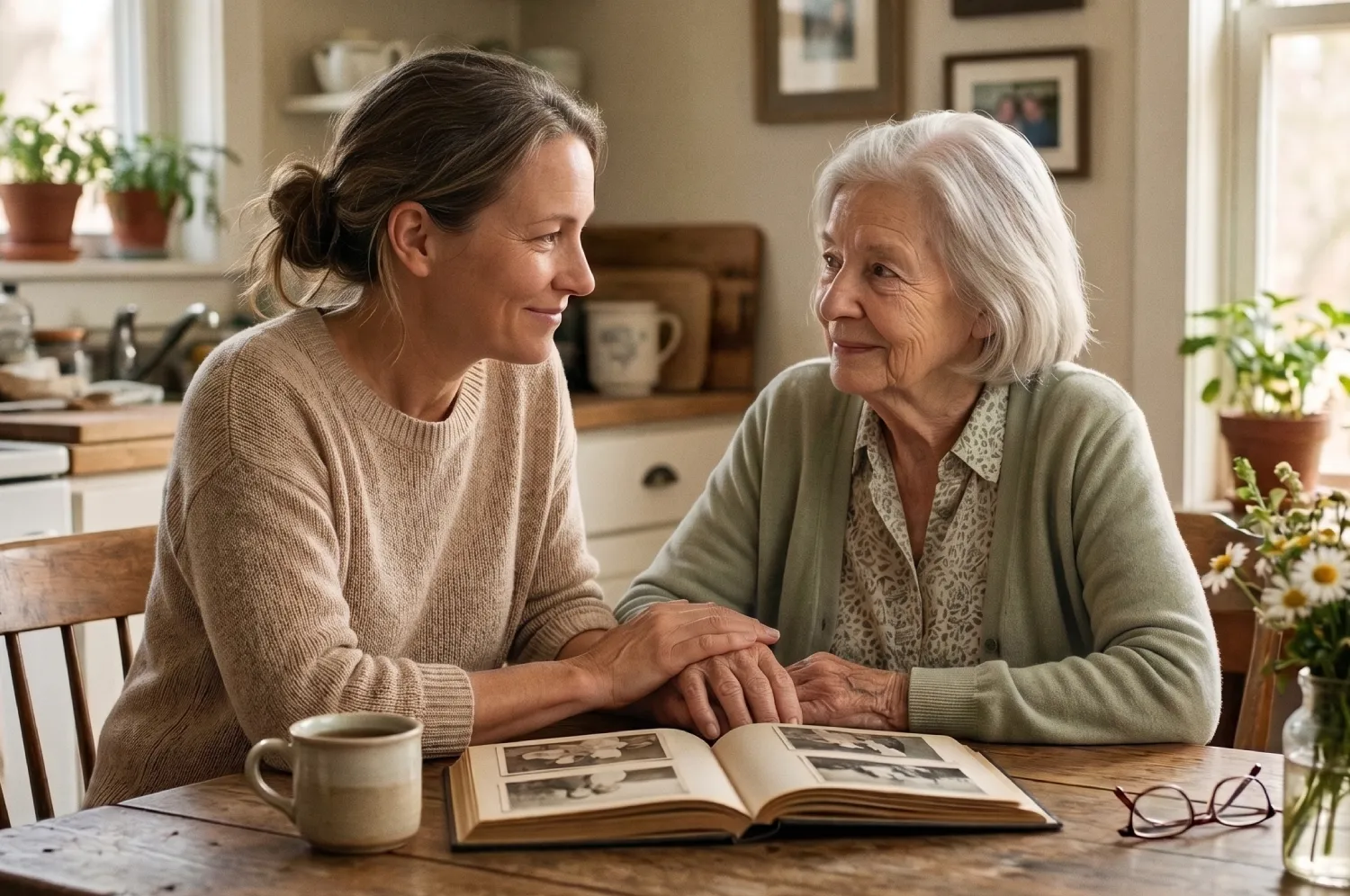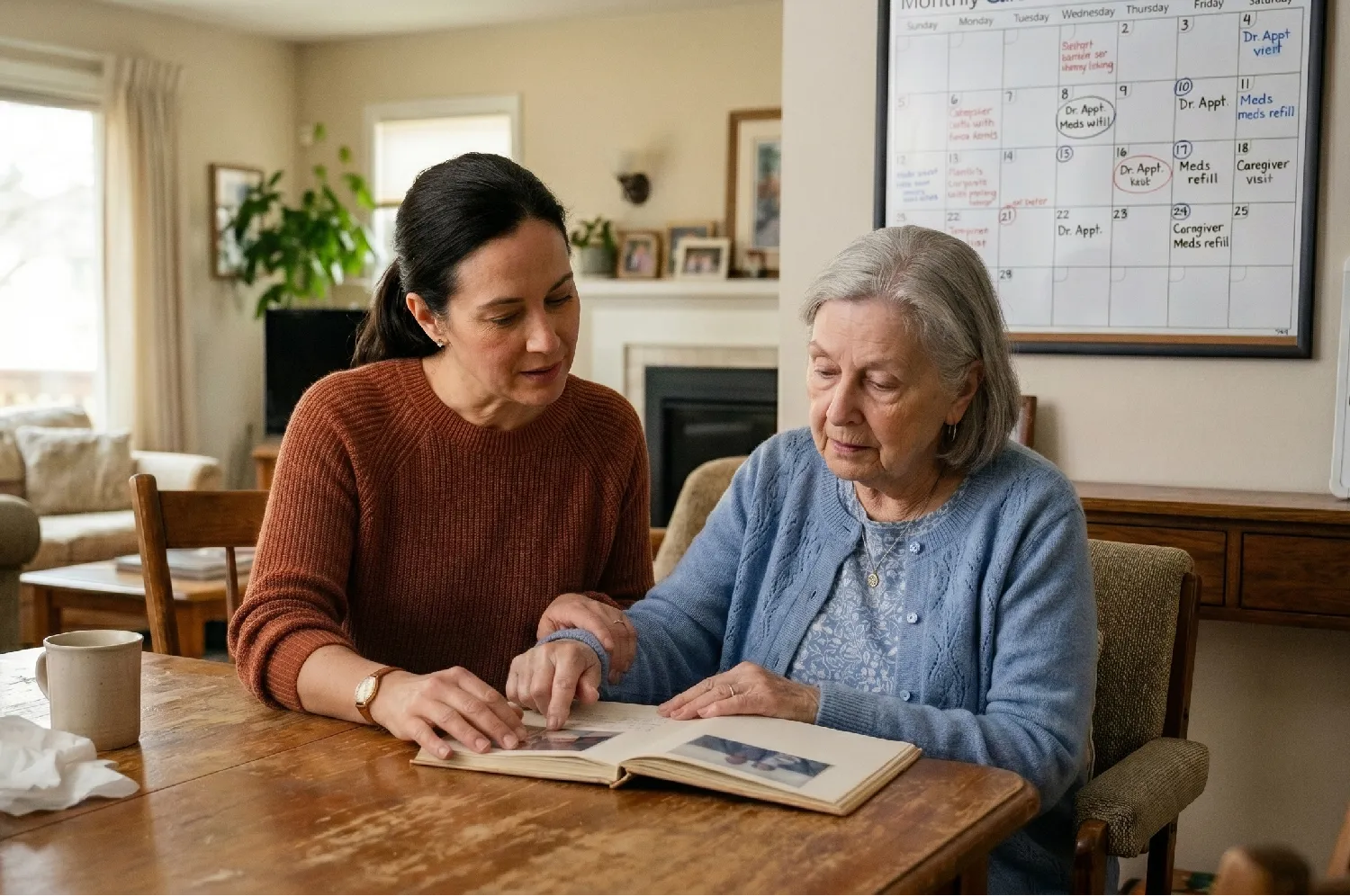
Compassionate in-home care addresses isolation and loneliness by pairing seniors with caregivers who provide regular companionship, meaningful conversation, and help staying connected to family, friends, and community. This consistent human connection boosts emotional wellbeing and quality of life.
Loneliness affects millions of older adults, and its effects reach far beyond a single quiet afternoon. In-home care offers a practical heart-centered solution by bringing companionship and connection directly to a person’s doorstep. Below, we explore how compassionate care helps seniors feel seen, supported, and part of the world around them.
What Causes Isolation and Loneliness in Older Adults?
Several life changes can leave seniors feeling cut off from the people and activities they love. Recognizing these triggers is the first step toward addressing them.
- Loss of mobility – Difficulty driving or moving around can make leaving the house feel impossible.
- Losing loved ones – The death of a spouse, sibling, or close friend can shrink a person’s social circle.
- Living alone – Many older adults spend long stretches of time without anyone to talk to.
- Distance from family – Adult children and grandchildren may live far away or have busy schedules.
- Hearing or vision changes – Sensory shifts can make conversation and connection more challenging.
How Does Compassionate In-Home Care Reduce Loneliness?
Compassionate in-home care places a familiar caring presence in a senior’s daily life. Caregivers do more than complete tasks: they build genuine relationships. Key ways this care eases loneliness include:
- Consistent companionship from the same caregiver, which builds trust over time
- Meaningful conversation during everyday moments, from morning coffee to evening tea
- Shared activities like cooking, gardening, or playing cards that bring joy and purpose
- Emotional support that helps seniors feel valued and understood
What Activities Help Seniors Stay Socially Engaged?
Staying active and engaged keeps the mind sharp and the spirit lifted. Caregivers can encourage and join in a variety of activities tailored to each person’s interests:
- Going for walks around the neighborhood or a nearby park
- Working on puzzles, crafts, or hobbies together
- Attending community events, clubs, or places of worship
- Sharing meals and trying new recipes
- Reminiscing over photo albums and family stories
If you have a senior loved one who needs help maintaining a high quality of life while aging in place, reach out to Assisting Hands Home Care, a leading provider of senior care Cincinnati families can trust. Our caregivers help seniors focus on healthy lifestyle habits such as eating nutritious foods, exercising regularly, and maintaining strong social ties, and we offer mentally stimulating activities that can boost cognitive health and delay the onset of dementia.
How Can In-Home Care Help Seniors Stay Connected to Family?
Strong family ties are a powerful antidote to loneliness, and caregivers play an important role in keeping those bonds alive. They can:
- Set up and assist with video calls to children and grandchildren
- Help seniors write letters, cards, or emails to friends and relatives
- Coordinate visits and plan family gatherings
- Encourage participation in birthdays, holidays, and special occasions
Respite care can be a wonderful solution for Cincinnati families when their aging loved ones need companionship and socialization a few hours a week or just need minor assistance with daily household tasks. Our caregivers can encourage your loved one to eat well, exercise regularly, get plenty of mental and social stimulation, and focus on other lifestyle factors that promote longevity. Assisting Hands Home Care is a leading provider of respite, live-in, and overnight home care in Cincinnati, and we thrive on helping seniors maintain their independence while living in the comfort of home.
Why Does Compassionate Care Make Such a Difference?
The heart of effective in-home care is genuine compassion. When caregivers approach their work with warmth and patience, seniors feel respected rather than simply cared for. This emotional connection:
- Boosts confidence and a sense of independence
- Creates a safe space to share feelings and concerns
- Restores a sense of purpose and belonging
- Brightens each day with kindness and attention
Caring for senior loved ones can be rewarding, but it can also be overwhelming for family caregivers who have other responsibilities they need to focus on. Whether you need respite from your caregiving duties or your aging loved one needs Cincinnati 24-hour home care, Assisting Hands Home Care can meet your family’s care needs. Our dedicated caregivers are available around the clock to provide transportation to doctor’s appointments, ensure seniors take their prescribed medications, and help with a variety of tasks in and outside the home. To learn more about our premier in-home care plans, call us today.
Frequently Asked Questions
What iscompassionate in-home care?
+
Compassionate in-home care provides personal support and companionship to seniors in the comfort of their own homes. It focuses on emotional connection and daily wellbeing, not just routine tasks.
How do I know if my loved one is feeling lonely?
+
Watch for signs like withdrawal from favorite activities, changes in mood, less communication, or a lack of energy. These shifts can signal a person is feeling isolated.
Can a caregiver become a genuine companion?
+
Yes. With consistent visits and shared experiences, many caregivers and seniors build close, trusting relationships that feel like true friendships.
How often should someone receive in-home companion care?
+
The right schedule depends on each person’s needs and preferences, ranging from a few hours a week to daily visits. A flexible plan ensures the senior gets the right level of support.
Is in-home care only for seniors who live alone?
+
No. Even seniors who live with family can benefit from companionship, especially when relatives work long hours or live busy lives.