Long-distance caregiving means coordinating care for a senior loved one who lives far away, and in-home care support makes this possible by providing trained caregivers who assist with daily tasks, safety monitoring, and companionship so families can stay connected and confident no matter the distance.
Managing care from miles away is one of the most challenging roles a family member can take on. This guide walks you through the key strategies, tools, and resources that make long-distance caregiving more manageable with in-home care support.
What Is Long-Distance Caregiving and Who Does It Affect?
Long-distance caregiving refers to coordinating and overseeing the care of a loved one—typically an aging parent or relative—from a significant geographic distance, often 60 miles or more away.
- It affects an estimated 7 million Americans, according to the National Institute on Aging.
- Family caregivers may live in different cities, states, or even countries.
- Common challenges include limited visibility into daily needs, difficulty responding to emergencies, and caregiver guilt.
What Does In-Home Care Support Actually Include?
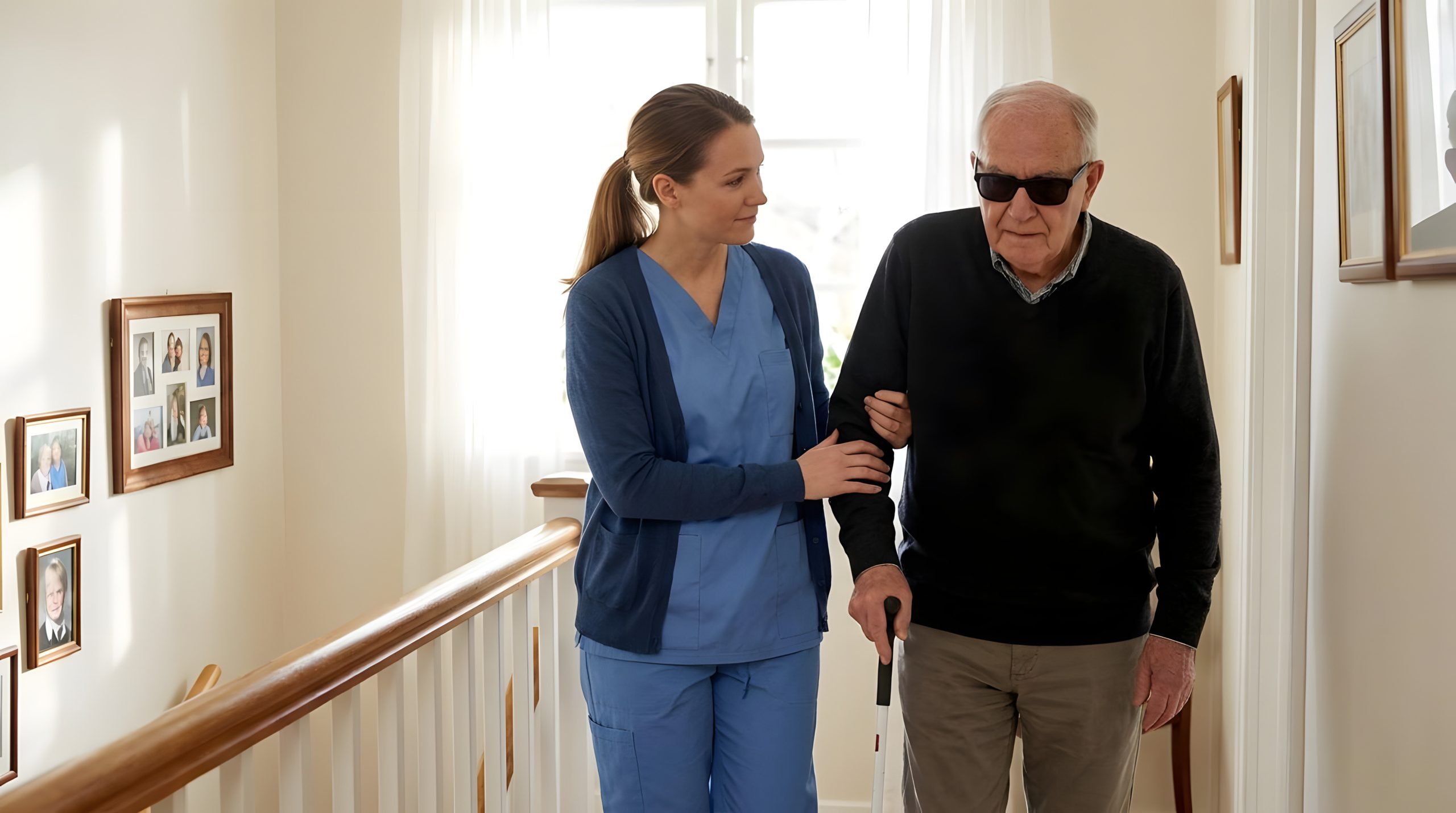
In-home care provides professional assistance inside your loved one’s home, helping him or her maintain independence while staying safe and comfortable.
- Personal care – Bathing, grooming, dressing, and hygiene assistance
- Companionship – Social interaction, conversation, and recreational activities
- Household support – Meal preparation, light housekeeping, laundry, and errands
- Transportation – Rides to appointments and community activities
- Safety monitoring – Fall prevention, routine check-ins, and emergency response support
Some seniors only require help with a few daily tasks so they can maintain their independence. However, those living with serious illnesses may need more extensive assistance. Luckily, you can rely on the exceptional professional Cincinnati 24-hour home care provided by Assisting Hands Home Care. Home can be a safer and more comfortable place for your loved one to live with the help of an expertly trained and dedicated around-the-clock caregiver.
How Can Long-Distance Caregivers Stay Connected and Informed?
Staying informed from afar requires a combination of communication tools and trusted local contacts.
- Schedule regular video calls with your loved one and his or her caregiver.
- Request written or digital care updates from the in-home care agency.
- Use remote monitoring tools, such as medical alert devices or home safety sensors.
- Designate a trusted local contact—a neighbor, friend, or care manager—who can check in between visits.
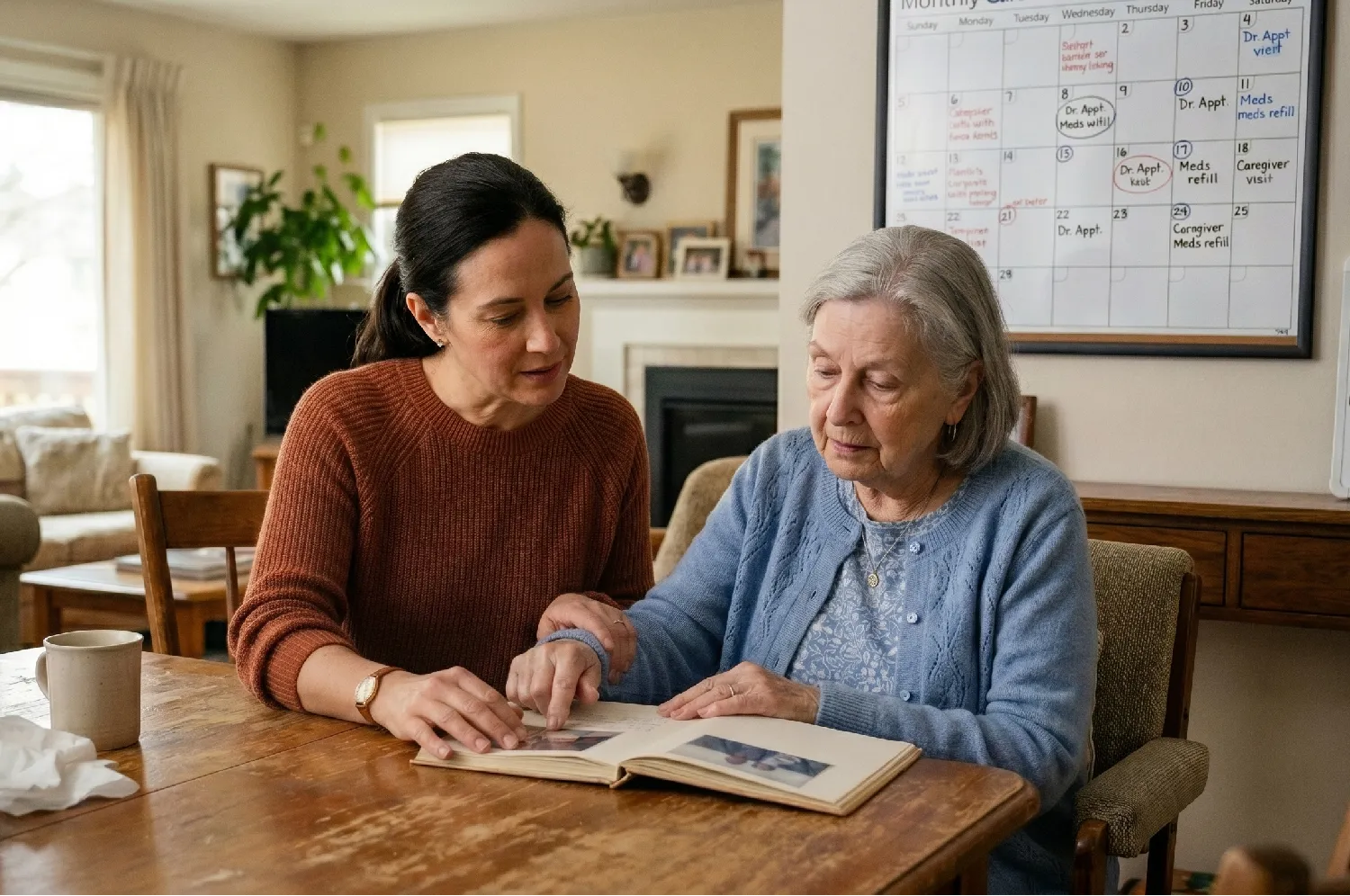
- Create a shared digital folder with important documents, contacts, and care plans accessible to all family members.
How Do You Choose the Right In-Home Care Provider for a Long-Distance Situation?
Selecting the right agency is critical when you cannot be present to oversee care directly.
- Look for licensed, bonded, and insured agencies with strong reviews.
- Ask whether the agency provides a dedicated care coordinator as a single point of contact.
- Confirm the agency’s process for handling emergencies or caregiver absences.
- Request regular care reports and open communication channels.
- Consider agencies that offer care management services to coordinate appointments and transitions.
If you have a senior loved one who needs help maintaining a high quality of life while aging in place, reach out to Assisting Hands Home Care, a leading provider of homecare Cincinnati families can rely on. All of our caregivers are bonded, licensed, and insured, there are no hidden fees, and we never ask our clients to sign long-term contracts.
How Do You Plan and Manage Long-Distance Caregiving without Burning Out?
Caregiver burnout is a real risk, especially for those managing responsibilities remotely.
- Divide responsibilities among family members based on availability and skill.
- Plan periodic in-person visits to assess your loved one’s needs firsthand.
- Join a caregiver support group, many of which are available online.
- Set realistic expectations. You cannot do everything from a distance, and professional support exists for this reason.
- Give yourself permission to rely on the in-home care team you’ve put in place.
Living independently is important for seniors who want to maintain a high quality of life. For some, this simply means receiving help with tasks that have become more challenging to manage over time. Even when families have the best intentions, they may not have the time to provide the care their elderly loved ones need and deserve. If your loved one needs help to age in place as independently as possible, reach out to Assisting Hands Home Care, a trusted provider of respite, live-in, 24-hour, and overnight home care for seniors in Cincinnati and nearby areas. We will work with you to create a customized home care plan that’s suited for your loved one’s unique needs. Call the Assisting Hands Home Care team today.
Frequently Asked Questions
How do I know if my loved one needs in-home care support?
+
Signs include difficulty managing daily tasks, recent falls, increased forgetfulness, or a decrease in personal hygiene. A professional needs assessment can help you determine the appropriate level of care.
How much does in-home care typically cost?
+
Costs vary by location and the level of care required, but the national median for home health aide services is approximately $27 per hour, according to Genworth’s 2023 Cost of Care Survey. Some costs may be covered by long-term care insurance or veterans benefits.
Can I arrange in-home care for a parent who doesn’t want help?
+
Yes, though it may require patience and open conversation. Starting with a companion or household aide rather than personal care can make the transition feel less intrusive for your loved one.
What should I do in a caregiving emergency when I’m far away?
+
Have an emergency contact plan in place before a crisis occurs. This should include a local trusted contact, the in-home care agency’s emergency line, and key documents stored in an easily accessible location.
How often should long-distance caregivers visit in person?
+
There’s no universal rule, but many experts recommend visiting at least two to four times per year and more frequently if your loved one’s needs are increasing or changing.