Depression is one of the most common challenges of growing older. Interacting and engaging with others is a powerful depression fighter. The American Sociological Association examined the connection between depression and feelings of loneliness, finding that the two are intertwined. Untreated, depression can cause a senior to withdraw from social engagement—but it is important to remember that spending more time with others can help “jump start” recovery.
Physical pain and limitations unfortunately become more common with age, and depression often accompanies these difficulties. A Harvard Medical School study showed that maintaining social connection with others can be an important tool in decreasing the impact of pain by reducing stress and depression. People who are dealing with the challenges of chronic pain also report the positive effects of participating in support groups.
Gerontologists have long known that social isolation and depression are big risk factors for malnutrition. A University de Montreal study found a clear correlation between nutrition and social interaction. Seniors who live alone often say that it is “just too much trouble” to fix a nutritious meal for one, and they may skip meals or get in the habit of snacking on junk food. This can lead to a serious weight loss—or, in some cases, to obesity, when a depressed person turns to food for soothing and “sugar highs.”
Depression can stop people from interacting with those outside their immediate circle, who often feel the pressure of being relied on too heavily for contact. It may seem paradoxical, but socialization with many people has a positive impact on our primary relationships. An article in the AARP Bulletin pointed out that “even though Americans are closer to their spouses than ever before, that kind of intimacy can work against us if we allow ourselves to ‘cocoon’ within the relationship.”
In the same way, too much reliance on the parent/child bond can strain that relationship, even when parents and children are the kind who describe each other as “best friends.” Seniors who socialize not only with family members but also with their peers have better emotional, intellectual and physical health.
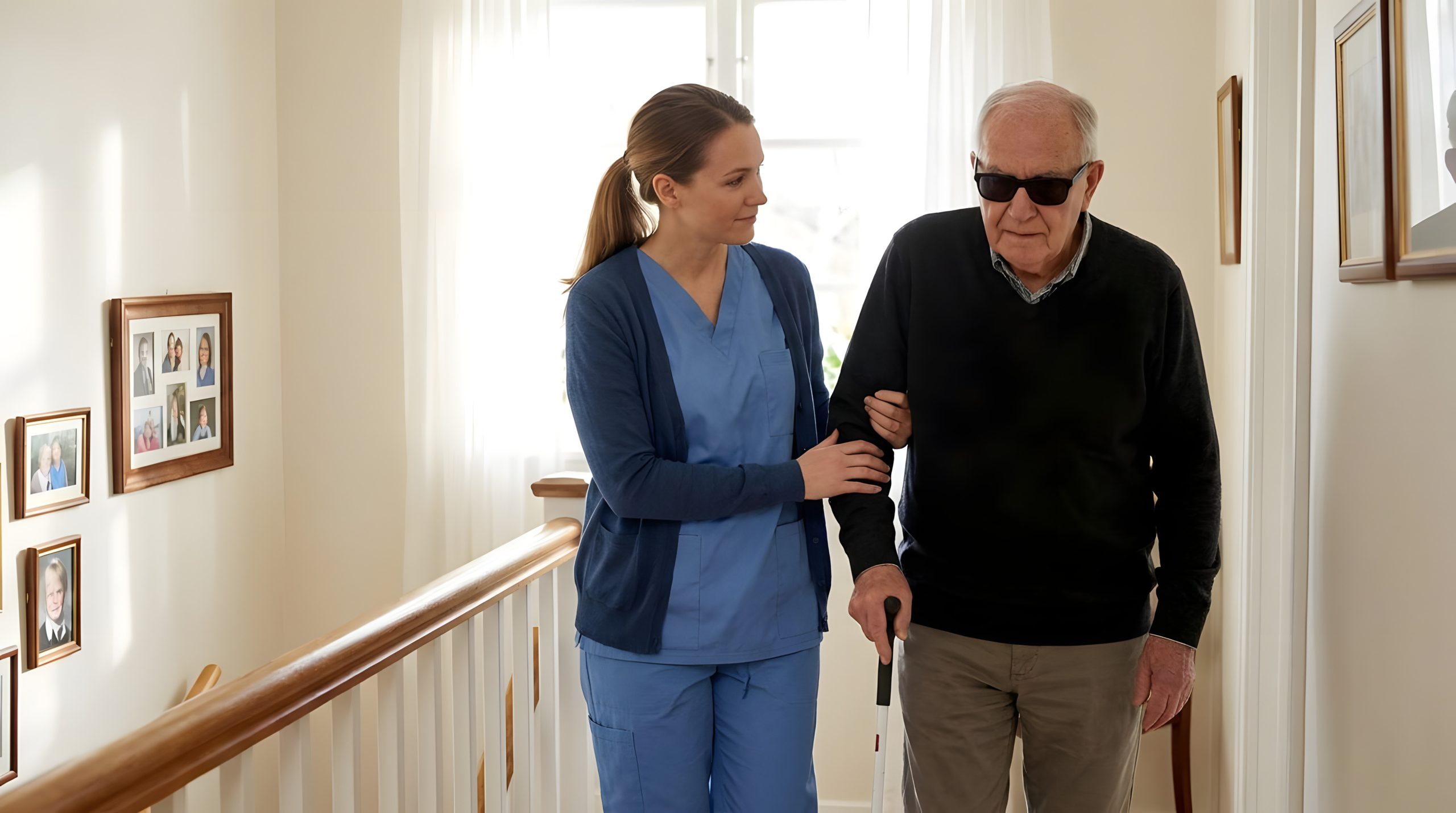
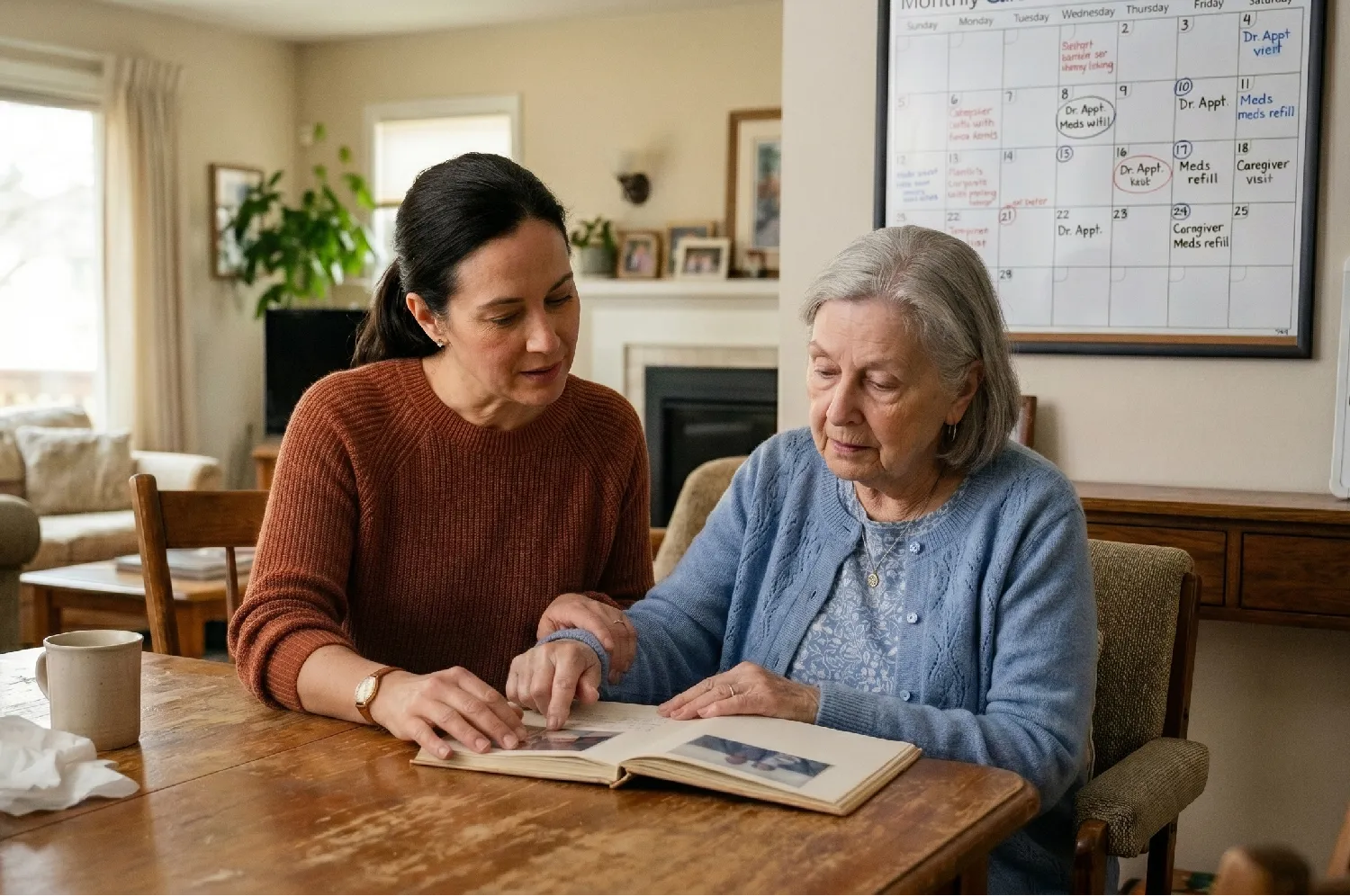
If you are seeing signs of depression in your senior loved one, be sure they have a medical evaluation. Sometimes changes as we age increase our anxiety which in turn can create depression. A medical professional may be able to recommend interventions or activities that may help. One solution might be increased companionship, and Assisting Hands serving Cincinnati, OH home care professionals offer exactly the type of one-on-one compassionate caregiving your aging loved one needs.
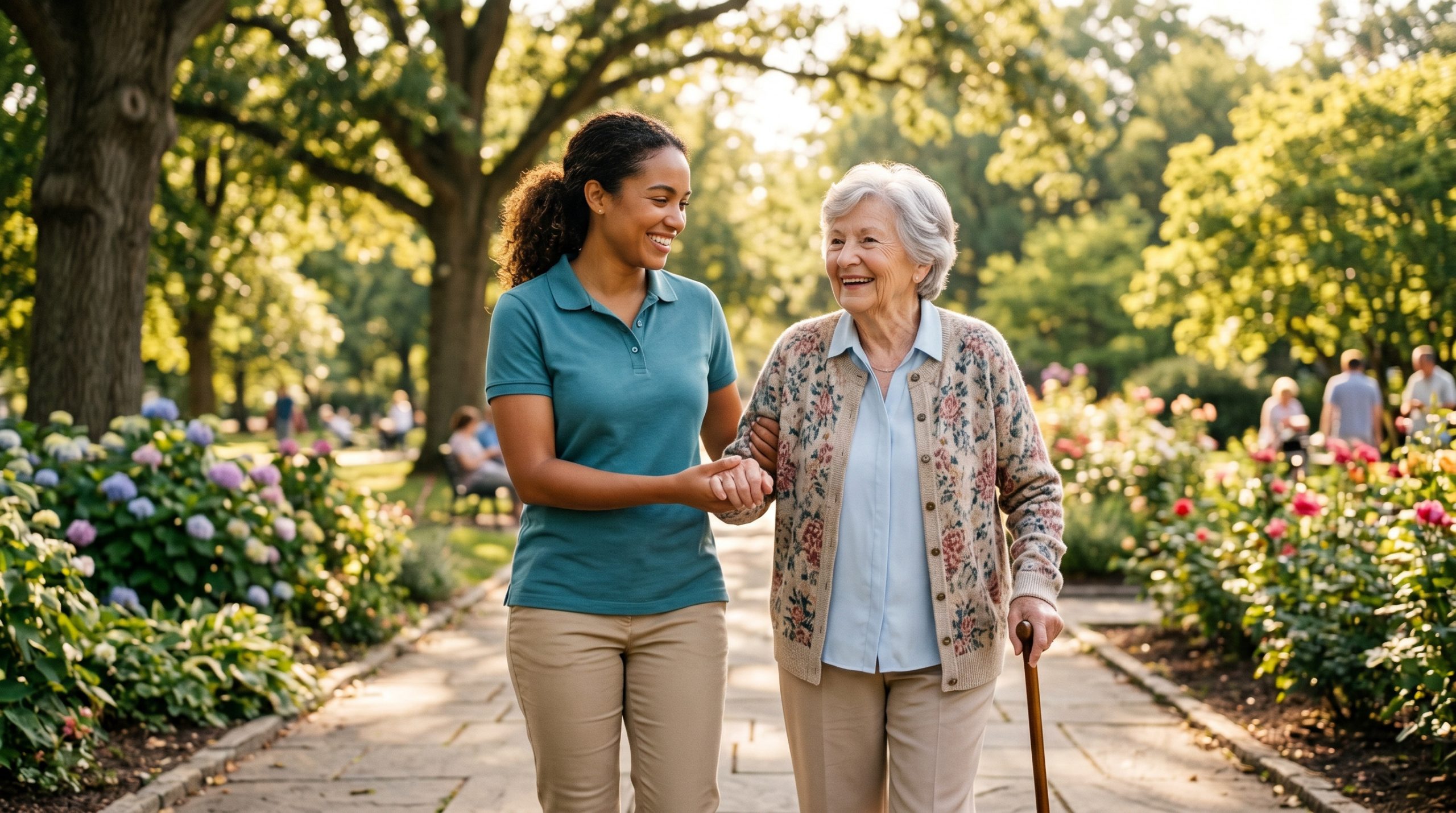
Physical activity is frequently called the number one ingredient for healthy aging—and exercise can be a major factor in combatting depression. According to the International Council on Active Aging, one of the main predictors of maintaining a senior fitness program over time is the good old “buddy system.” Keep yourself motivated and surround yourself with others who support your fitness goals.
Yes, as we grow older, it takes a little more effort and more planning to stay fully engaged with life, but the rewards are great. For most people, socialization is as important as physical activity in keeping a positive attitude. It is worth it to make the effort, make a plan, and add more socialization to your life!