When thinking of starting a fitness regime, many people may envision smelly gyms, sweaty feet, and plenty of grunting and pain. Often lofty goals, such as races or competitions, distract people from starting a sensible routine and result in abandoning the effort. Fitness goals should be about improving our health and how we interact with the world.
It’s never too late to start a fitness commitment. Exercise reduces risk of cardiovascular disease, hypertension, type 2 diabetes, osteoporosis, obesity, colon cancer, depression, and breast cancer. It also decreases the risk of falls and fall-related injuries.
For seniors, it’s important to consult with your physician before taking on new activities, with questions such as:
- Are there exercises or activities you should avoid?
- Is your preventative care up to date – for example, tests for osteoporosis, diabetes, or cardio-fitness?
- How do any health conditions affect your ability to perform the selected activities?
- What do you need to be aware of if you’ve had joint replacement?
- What modifications might be necessary to safely perform the activities?
Here are some tips to map out a new fitness routine:
- Aim for just 15 to 30 minutes a day to start.
- Break workouts up into ten-minute increments throughout the day, if necessary.
- Make sure you are drinking plenty of water before, during, and after your session.
- To minimize fall risk, ensure appropriate footwear for the activity.
- Start and end the workout with slower movements and activities.
- Don’t overdo it! The goal is not pain and exhaustion.
There are several types of activities you might consider working into a weekly schedule.
Aerobic exercise is just as the word implies, good for the oxygen exchange between the lungs and heart. Aim for at least two hours of moderate aerobic exercise or one and a half hours of vigorous intensity each week. Spread this time over 3–5 days. Remember that vigorous for seniors may be significantly less than vigorous for a younger person. Especially if you have a competitive nature, be careful to not overdo – set realistic goals and don’t try to out-last the 20-somethings at the gym!
Here are some different types of aerobic exercise to try – you might be surprised at the variety. Basically any activity that gets your heart moving and the air flowing “counts” as aerobic!
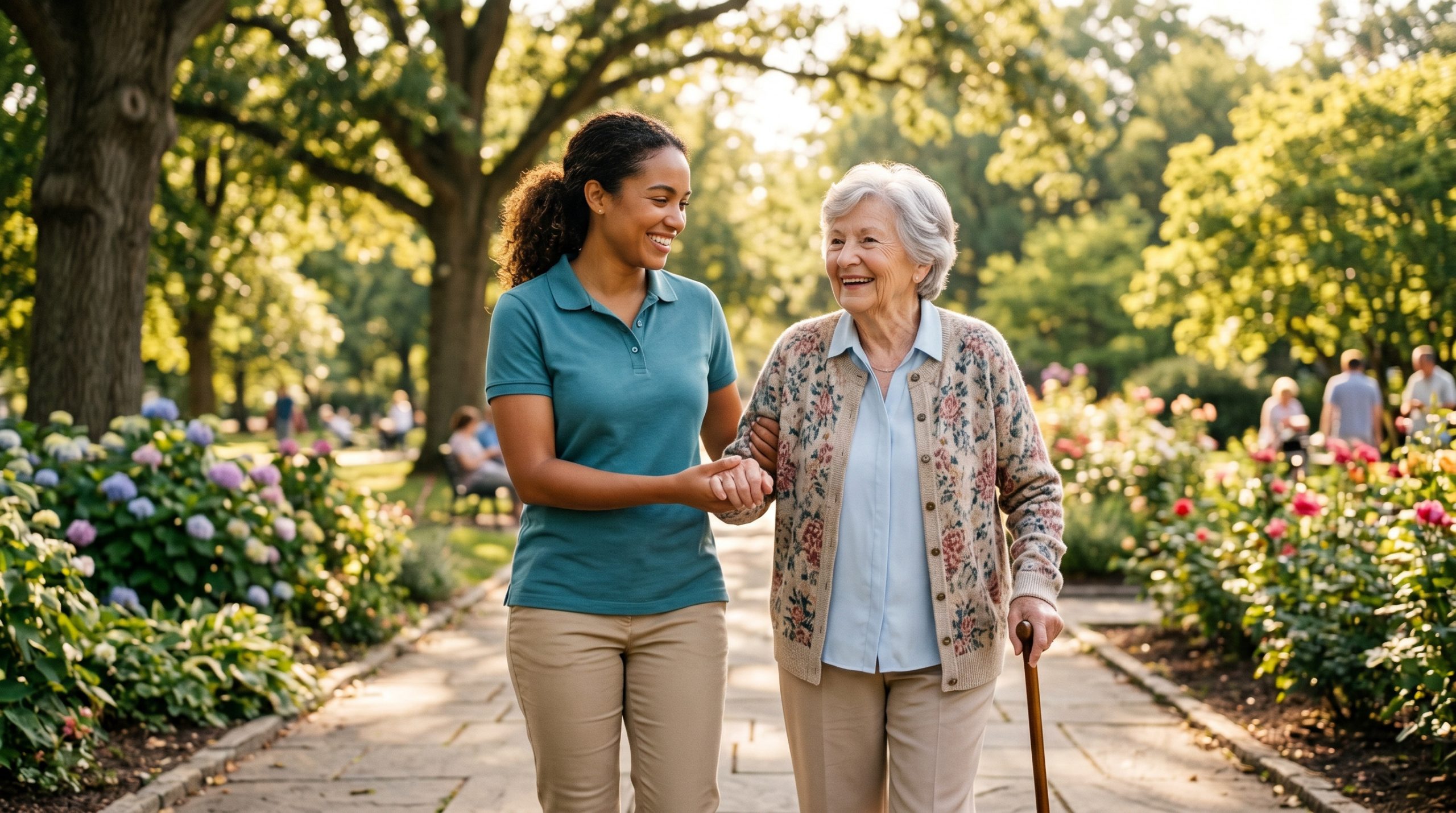
- Brisk walking (Museum? Zoo? Mall?)
- Biking
- Jogging
- Dancing
- Swimming
- Aerobic classes (Search online for at-home exercise for seniors.)
- Yard work and gardening (Be sure to watch the weather!)
- Tennis
- Golf (without a cart)
Muscle strengthening exercises have been proven to improve bone density. Aim for at least two days a week. The focus can be varied from session to session to include legs, hips, back, chest, abdomen, shoulders, and arms. Don’t lift weights using the same muscle groups two days in a row. To help build muscle, start with a weight that you can safely lift for eight repetitions. The repetitions should be slow and controlled – three seconds to lift the weight, hold for one second, then lower for three seconds. Breathe in as the weight is lifted and out as it’s lowered. Do these eight to fifteen times and then take a rest. If fifteen seems easy, consider increasing the weight by a pound.
Try these muscle strengthening activities:
- Weight machines
- Handheld weights
- Yoga
- Exercise bands
- Calisthenics
- Tai Chi
- Digging, lifting, and carrying as a part of gardening or yard work
Balance improvement should be a core goal for any exercise program, as more than one third of senior citizens suffer from fall-related injuries. Aim for three or more days a week. Ensure that there are adequate safety measures in place, such as things or people to hold onto.
- Exercises that help hone balance include:
- Standing from a seated position
- Backward walking
- Sideways walking
- Heel walking
- Toe walking
- Standing on one leg
- Yoga both strengthens and improves balance
Stretching is important and should be done at a minimum at the end of every workout. Do not “bounce” the stretch or to stretch further than you can easily go to feel a slight tug. It should not hurt. Improvement will happen naturally over time.
It is never too late to start working out! A recent study showed that many of the losses in strength, flexibility, and stamina could be reversed, even in the frailest of participants. The study followed 100 participants, aged 72 to 98. They did resistance exercises three times a week for ten weeks. They showed marked improvement over their sedentary counterparts, being able to lift more weight, climb more stairs, and walk faster.
If you or your loved one is looking to start an exercise routine at home but needs support and safety measures, give Assisting Hands Home Care Cincinnati, OH a call. Our professional caregivers help with ambulation and exercise, along with offering many other personal care services.