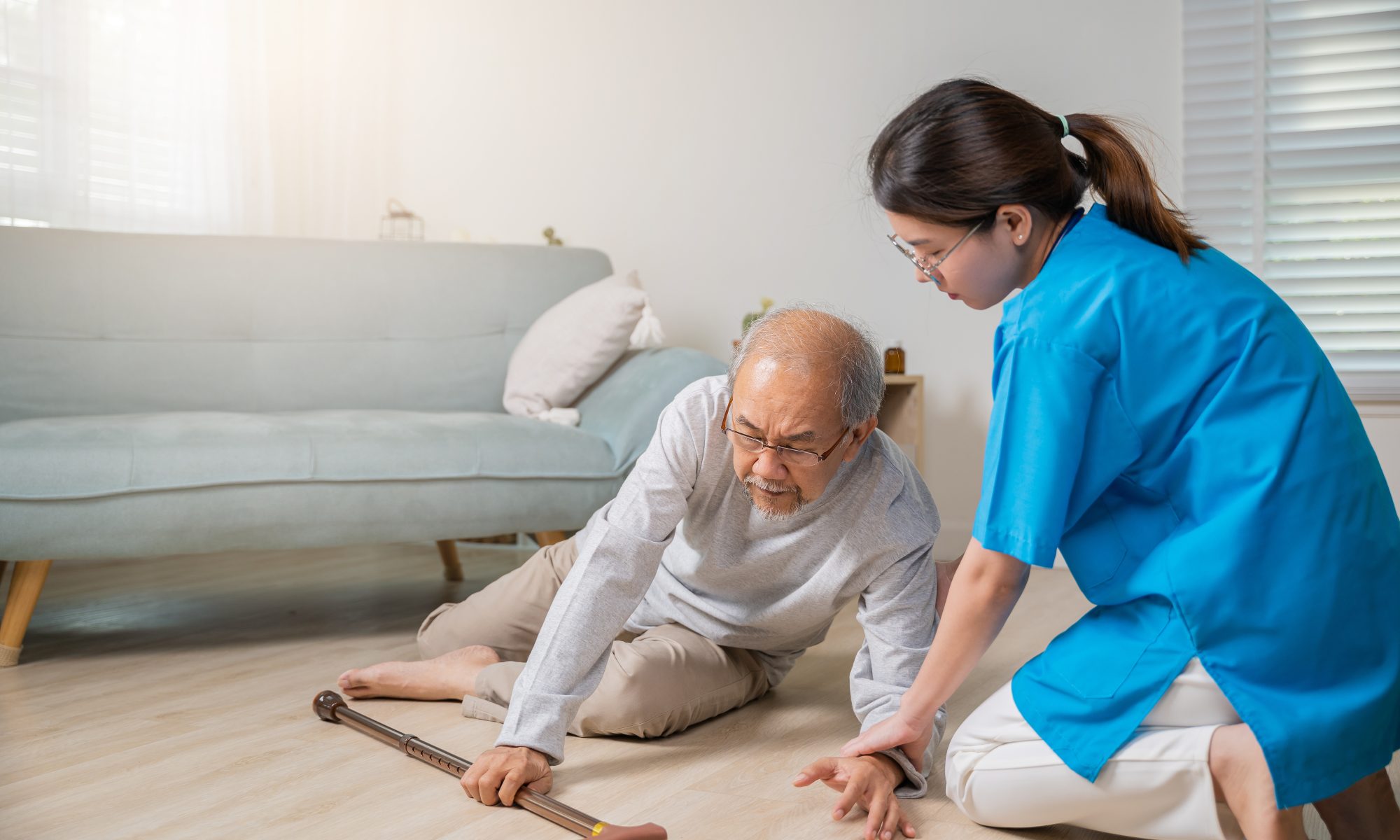
In-home care providers identify and mitigate fall risks by conducting environmental assessments and implementing safety modifications tailored to clients’ daily routines. Understanding these physical hazards allows caregivers to create secure living spaces that promote independence. Addressing these factors early can prevent serious accidents before they occur.
What Are the Most Common Fall Hazards Found in Homes?
Many everyday household items silently contribute to tripping hazards for older adults. Cluttered walkways, loose throw rugs, and poor lighting are frequent culprits. Additionally, low furniture and trailing electrical cords create unnecessary obstacles. Identifying these risks requires a careful walk-through of the primary living areas, focusing on spaces where the client spends the most time.
Hiring a professional caregiver is one of the many ways you can reduce your loved one’s risk of falls. Many older adults are choosing to age in place, and some need a helping hand to continue living at home safely and comfortably. Luckily, there is professional senior home care Cincinnati seniors can trust and rely on.
How Do Caregivers Assess a Client’s Specific Fall Risk?
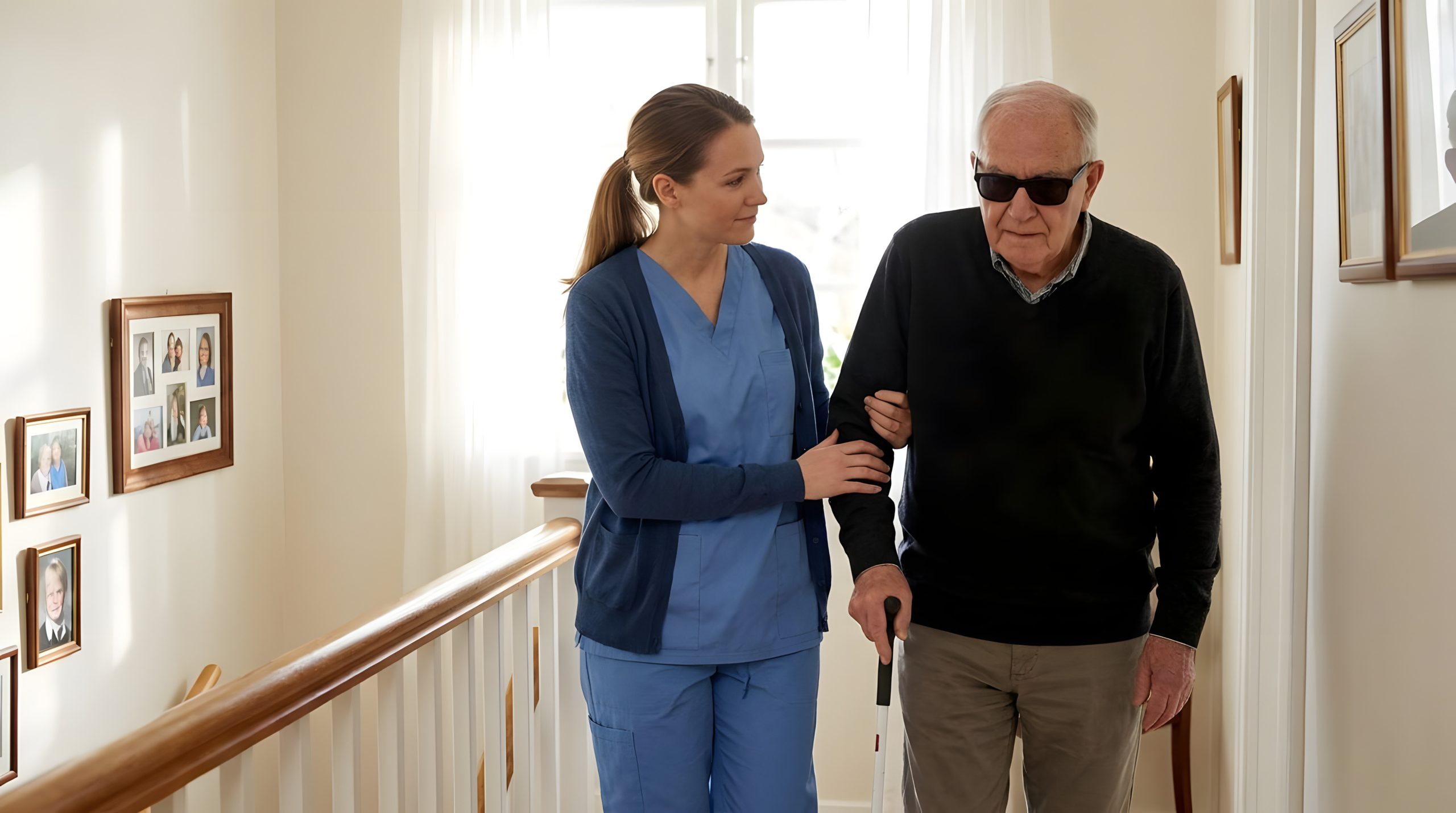
Care professionals evaluate personal risk by observing how clients navigate their daily routines. They look for signs of unsteadiness, difficulty transitioning from sitting to standing, and challenges with basic balance.
- Monitoring changes in general mobility and gait
- Checking footwear for proper fit and nonslip soles
- Evaluating how clients interact with their current furniture layouts
- Observing if individuals use walls or furniture for support while walking
Which Home Modifications Provide the Best Protection Against Falls?
Simple environmental changes drastically reduce the likelihood of accidents inside a residence. Enhancing illumination in hallways and staircases ensures clear visibility during nighttime movements.
- Securing or removing loose carpets and rugs
- Installing sturdy grab bars in bathrooms and near toilets
- Applying nonslip tape to hard surface stairs
- Moving frequently used items to easy-to-reach shelves
How Does Daily Routine Management Prevent Accidents?
Structuring a predictable daily routine minimizes rushing, which is a major behavioral contributor to falls. Caregivers encourage taking ample time when standing up or moving between rooms. They also ensure mobility aids, such as walkers or canes, remain easily accessible at all times. Keeping the home organized and free of clutter on a daily basis sustains a safe, easily navigable walking environment.
Some seniors need occasional assistance at home, and oftentimes the family members who take care of them need time away to run errands, take a nap, go to work, or take a vacation. The respite and overnight home care experts from Assisting Hands Home Care Cincinnati are available on an as-needed basis, giving your family peace of mind that your loved one will remain safe and comfortable while you relax or focus on other important responsibilities.
If you’re the primary family caregiver for an elderly loved one, top-rated 24-hour home care for Cincinnati seniors is available around the clock if your loved one’s health has become too difficult to manage without professional expertise. At Assisting Hands Home Care, we take measures to help seniors prevent illness and injury by assisting with exercise and mobility, preparing nutritious meals, helping with bathing and other personal hygiene tasks, and much more. To learn about our high-quality in-home care services, give us a call today.
Frequently Asked Questions
Why are bathrooms particularly dangerous for fall risks?
+
Bathrooms feature hard, slippery surfaces and require frequent transitions, such as stepping into a tub or using the toilet. These factors make bathrooms high-risk areas requiring specific safety modifications like grab bars and nonslip mats.
How often should a home safety assessment be conducted?
+
A safety assessment should be performed initially and then updated whenever the client’s mobility or daily routine changes. Regular quarterly reviews also catch new hazards like accumulated clutter or burnt-out light bulbs.
What type of footwear is best for preventing falls indoors?
+
Seniors should wear sturdy, well-fitting shoes with nonslip soles inside the house. Walking in socks or loose slippers significantly increases the chance of slipping on smooth floors.
Can pets increase the risk of tripping?
+
Yes, small pets often walk close to their owners’ feet and can easily cause seniors to trip or lose their balance. Attaching bells to pet collars and keeping their toys out of main walkways can mitigate this risk.