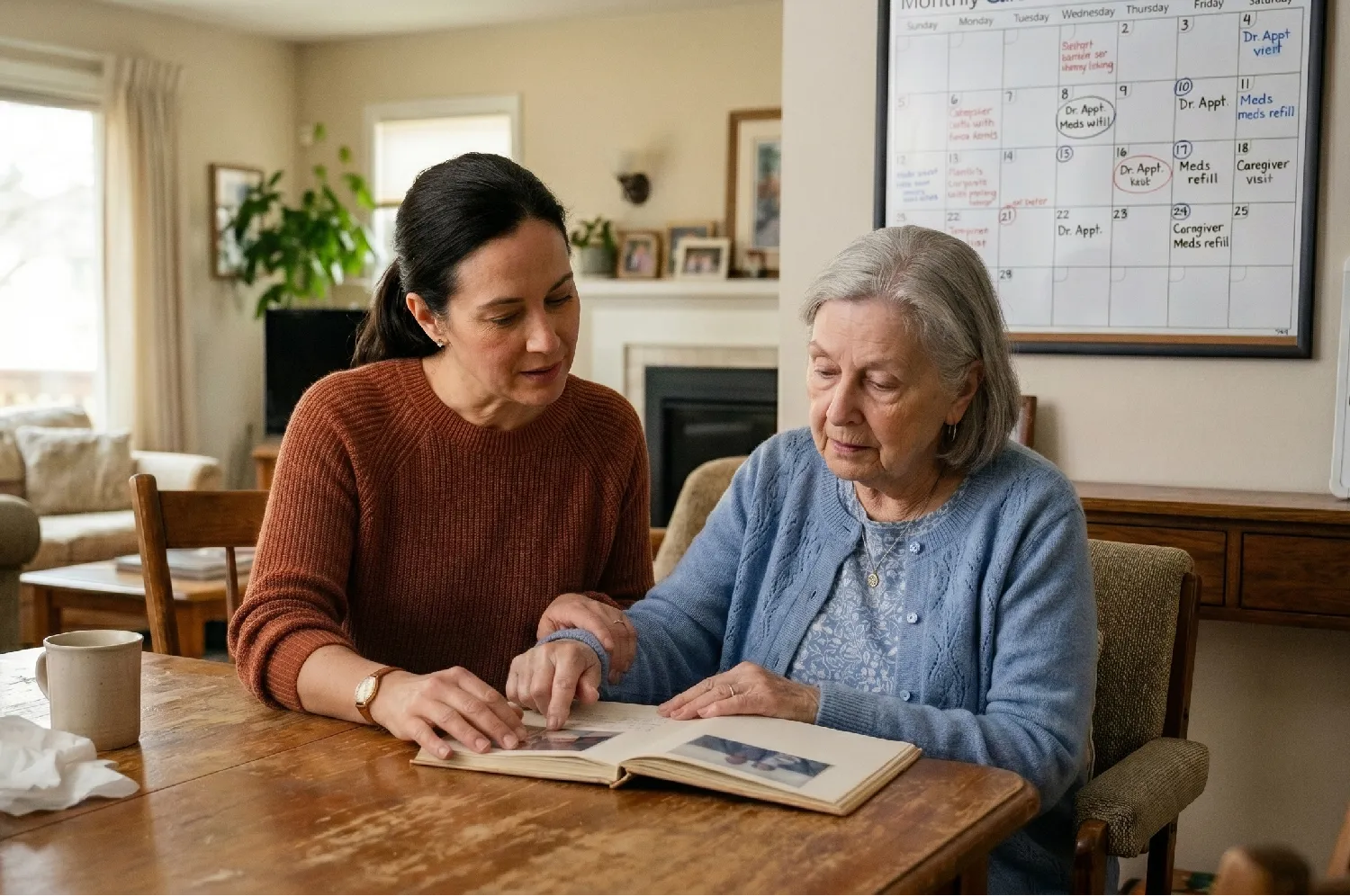
Caregiving is common in the United States. About 43.5 million people, more than 20% of US adults, offer unpaid caregiving in the US. More than a third of those caregivers are helping someone with memory illnesses. Most, about 75%, are women, and on average they spend 24.4 hours caregiving each week.
While family caregivers often enjoy being able to help their loved ones, caregiving is a difficult job and burnout, defined as a state of exhaustion that may result in a change of attitude, is common. This exhaustion can be physical, emotional, and/or mental, and may include:
- Lack of energy
- Sleeping too little or too much
- Feeling fatigued
- Sense of hopelessness, despair
- Weight loss or gain
- Loss of interest in hobbies and activities
- Neglecting one’s own needs
- Feeling like one’s life revolves around caregiving
- Growing impatient or irritable with loved ones
- Worrying excessively about the future
- Mood swings or depression
- Challenges coping with everyday tasks or problems
- Headaches, stomach aches, and other physical signs of stress
- Getting sick easily
Burnout doesn’t have to be a permanent condition. Use these tips from the Mayo Clinic to prevent and cope with caregiver burnout.
- Ask For and Accept Help Others may desire to or be willing to help with caregiving tasks, even if only temporarily.
- Set Realistic Goals Understand that not all tasks can be done all of the time. Consider saying “no” to extra requests and demands.
- Connect with Others Find a support group, talk to a friend regularly, and connect with others who can listen and understand.
- Avoid Common Causes of Burnout Caregiving for too many hours, not having space to process emotions, lack of sleep, and other issues are common causes of burnout. Avoid these to recover and prevent further exhaustion.
- Make Time for Yourself Make time for rebuilding and recharging—consider scheduling time for the gym, naps, doctor appointments, and self-care activities.
- Take a Vacation Take some time away for at least a few days to give your mind and body a well-deserved rest.
It’s important that caregivers don’t feel they are the only ones who can help their loved ones, because the pressure will cause or exacerbate burnout. Involve other loved ones in caregiving, find an adult daycare, or consider hiring a caregiver.
Assisting Hands serving Cincinnati, OH offers respite care so family caregivers can get the break they need to re-charge their batters. CLICK HERE to read more. With spring break coming up, now is the time to get in touch, we’ll match our trained, experienced caregivers to meet your loved one’s needs. Our caregivers are trained in dementia educator Teepa Snow’s Positive Approach to Care, so they can manage even the most challenging situation with care and compassion. Take a vacation you can really enjoy knowing your loved one is getting the care they need.