There are many ways caregivers – including professional caregivers – can help seniors maintain their minds and memories. In the United States, approximately 40% of people over the age of 65 experience age-related memory impairment. Memory and mental health are closely connected. Helping seniors stay sharp can also improve their quality of life.
To maintain a healthy memory, seniors must stay mentally active. That doesn’t have to be taxing, though! Some strategies for maintaining a healthy memory are things seniors might already do as part of their everyday lives.
- Read and write regularly. Caregivers can assist by encouraging correspondence with far-away family members and friends. During the pandemic, seniors have often been separated from even nearby family and friends. Journal-writing can also be a source of mental stimulation.
- Play games, solve riddles, do crosswords, and complete puzzles. Assisting Hands Home Care serving Cincinnati, OH caregivers love to engage their clients with games, puzzle books, and puzzles. Memory exercises can be a great way for seniors to keep their minds active.
- Try learning to play an instrument or take up a new hobby. Some hobbies that work better for seniors with arthritis include container or raised bed gardening, chair yoga, or arts and crafts such as collage and painting, which can make great gifts. Crocheting, knitting, and sewing are great for seniors who may have mobility issues but still have good use of their hands.
- What about all the output from those new hobbies? Lap blankets or quilts can be given away to hospitals and nursing homes for babies or people confined to wheelchairs. Local Head Starts often welcome clothing and hats for small children. Contact local charities to find out what they might need.
- Hospitals often need help desk volunteers to talk to visitors and help direct them places. Crisis Hot Lines always need volunteers, who often can work from home. Schools love to have people come in and read to kids.
- Take a class at a community college, university, or adult education center. Many online courses are available online if mobility is difficult, and this was true even before the pandemic. Caregivers can help the senior tune-in to their class – which can be audited if the idea of homework seems daunting. Many community colleges offer free auditing of classes to seniors. Also check local art museums and historical societies for lecture series on topics that are of interest.
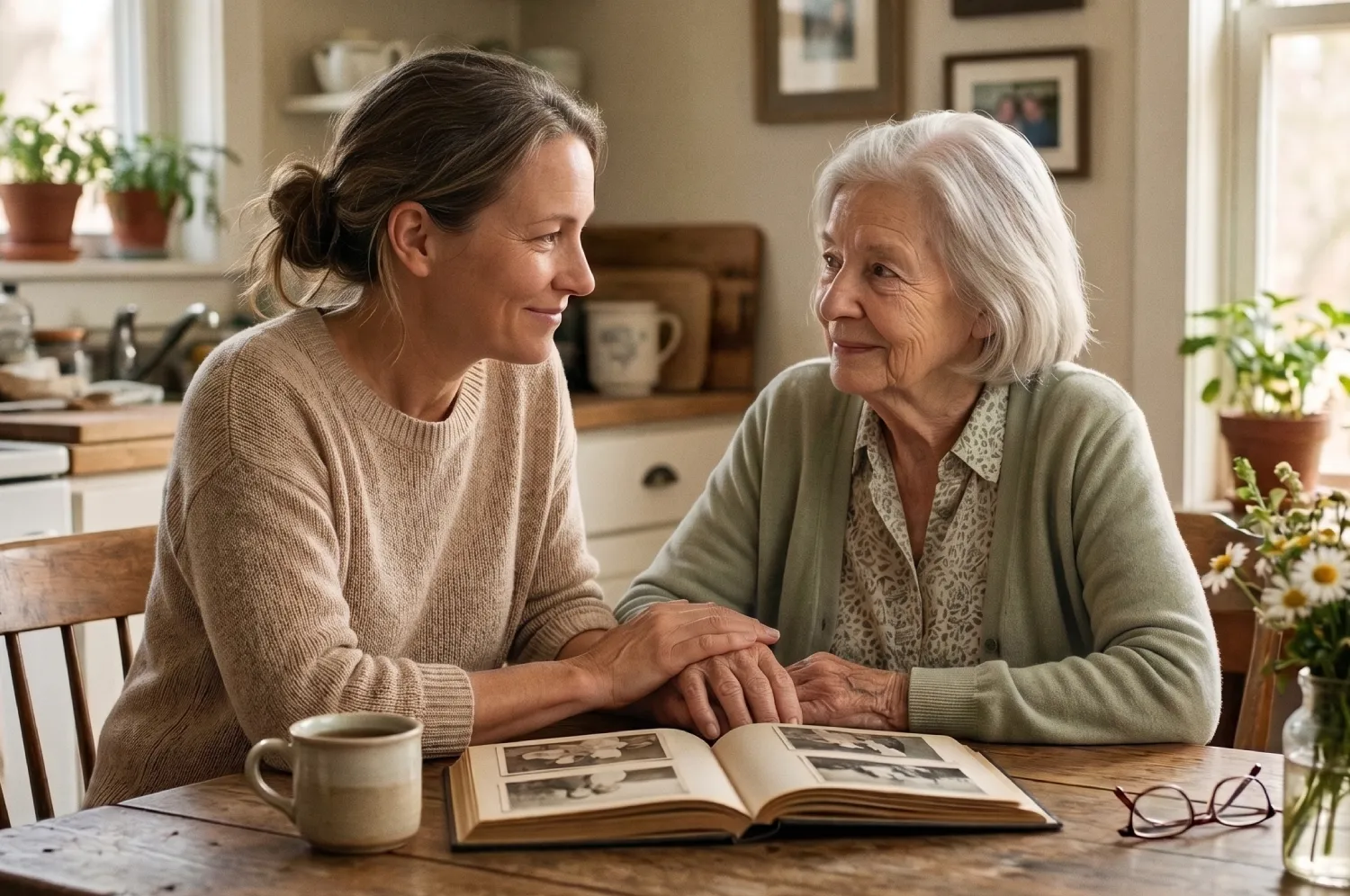
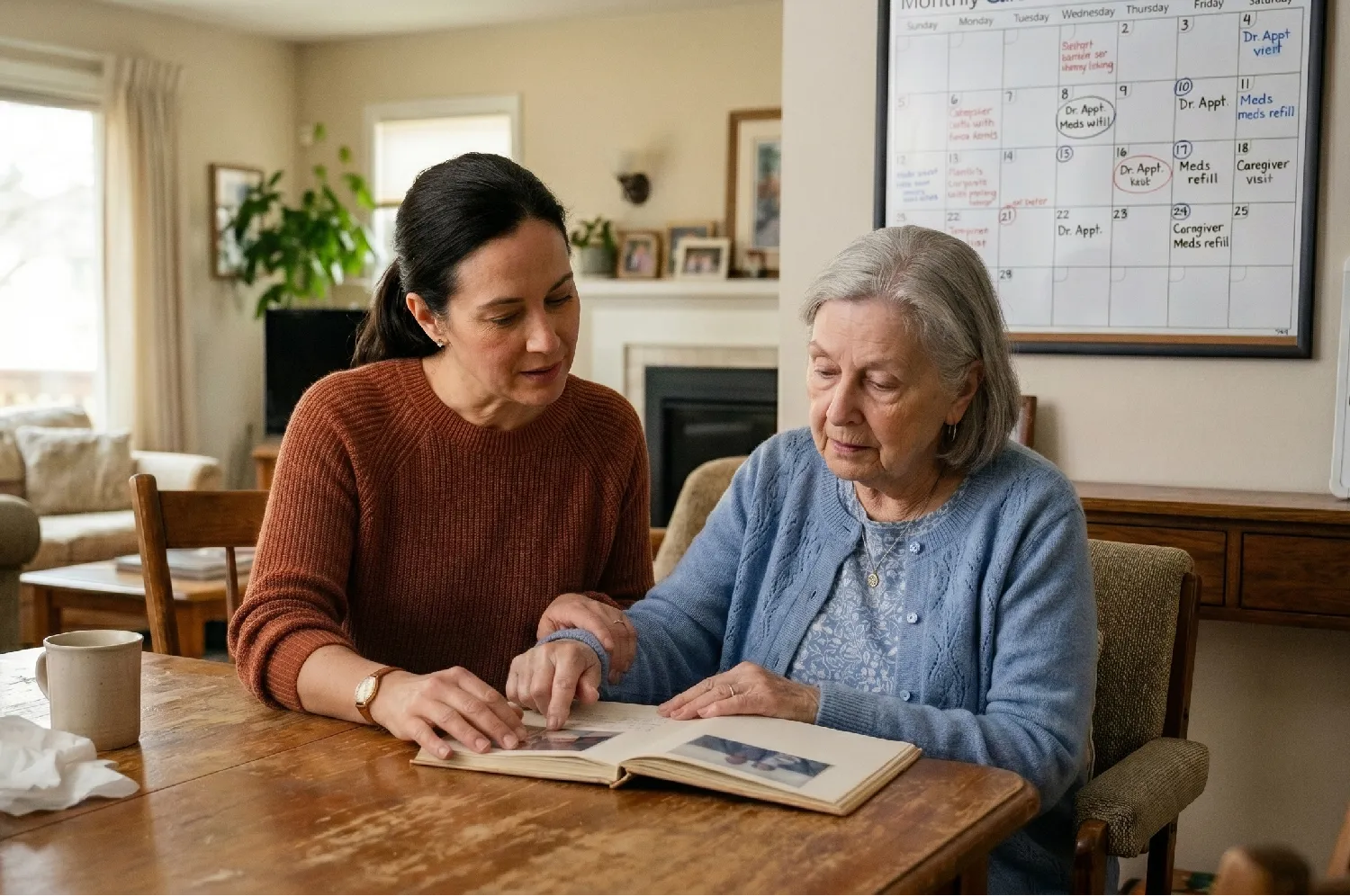
- Spend time in conversation and socializing. Talking about current events, memories of past events, and just chatting about the weather helps keep our minds focused on following the conversation. Look through family photos to spur conversation and memories.
- Listening to music. Music taps into a different part of our brain. Even those with severe dementia often remember songs they loved, and these can also trigger memories they can suddenly verbalize and share. In addition to playing recorded music, many orchestras across the country (and around the world) are sharing “live” performances that can be watched on YouTube.
Age-related memory loss is common and may not have serious side effects, but it can still impact a senior’s quality of life. It can also be scary when they wonder if something more serious is happening. Help seniors recognize the normal effects of memory loss so they can adapt and stay safe. Common effects of memory loss include:
- Misplacing items
- Delayed critical thinking skills
- Forgetting appointments or directions
- Needing new information repeated in order to remember it
Memory related illnesses like dementia, including Alzheimer’s disease, have different warning signs, such as mixing up words or noticeable, unusual mood swings.
Of course, the brain is a part of the body, and cognitive functioning can be affected by physical factors. Physical activity, for example, also helps brain functioning, as well as good nutrition and getting plenty of sleep. Poor nutrition doesn’t offer the fuel the brain needs to function properly. A tired brain can’t devote as much energy to making or storing memories.
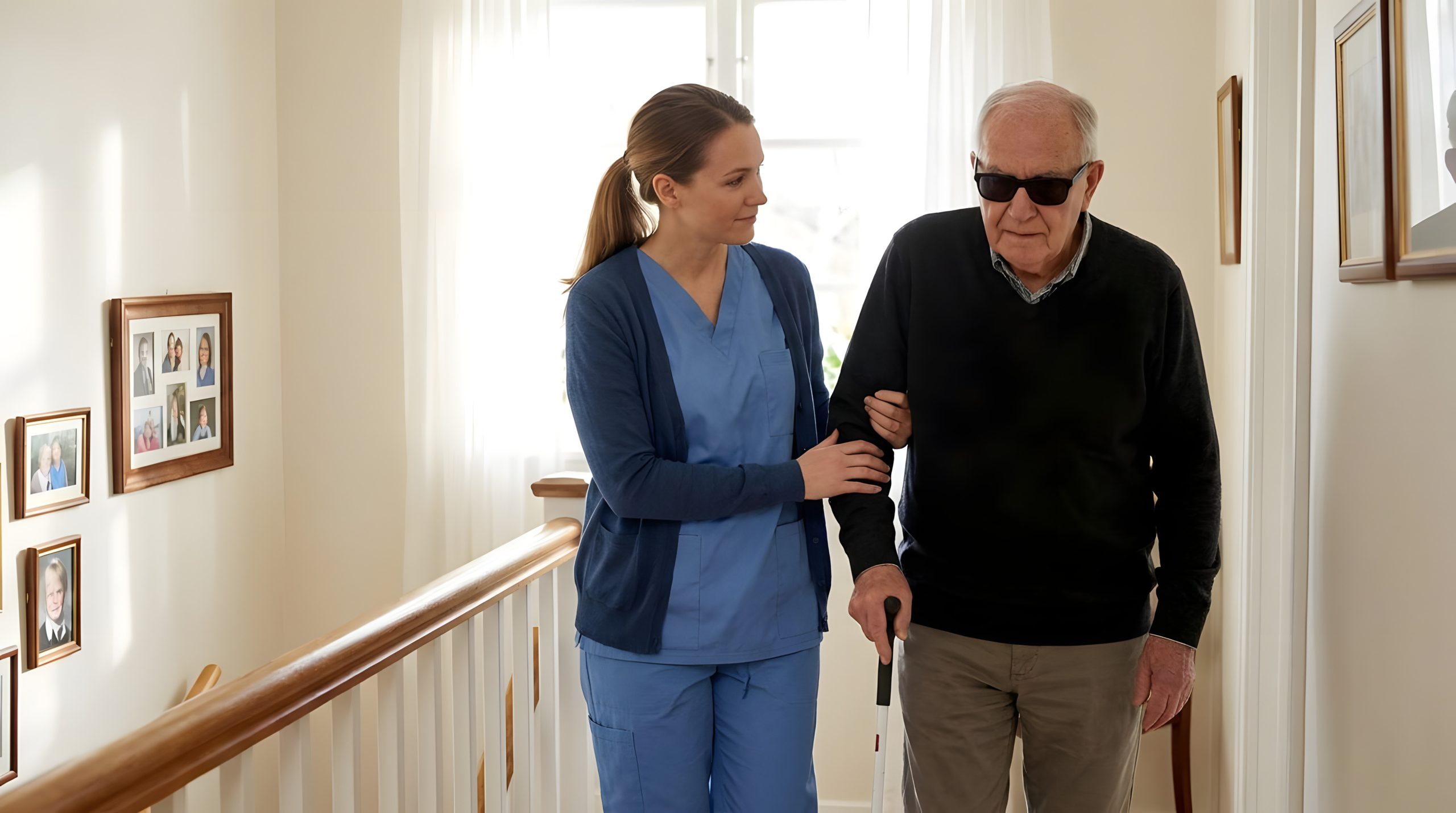
Caregivers from Assisting Hands Cincinnati Home Care, OH can help with many of these brain-improving activities – companionship, taking walks, gentle exercise, providing good nutrition, listening to music, and playing games are all activities we offer our clients, in addition to basic personal services. Give us a call to find out how you can gain the peace of mind an Assisting Hands caregiver can offer.