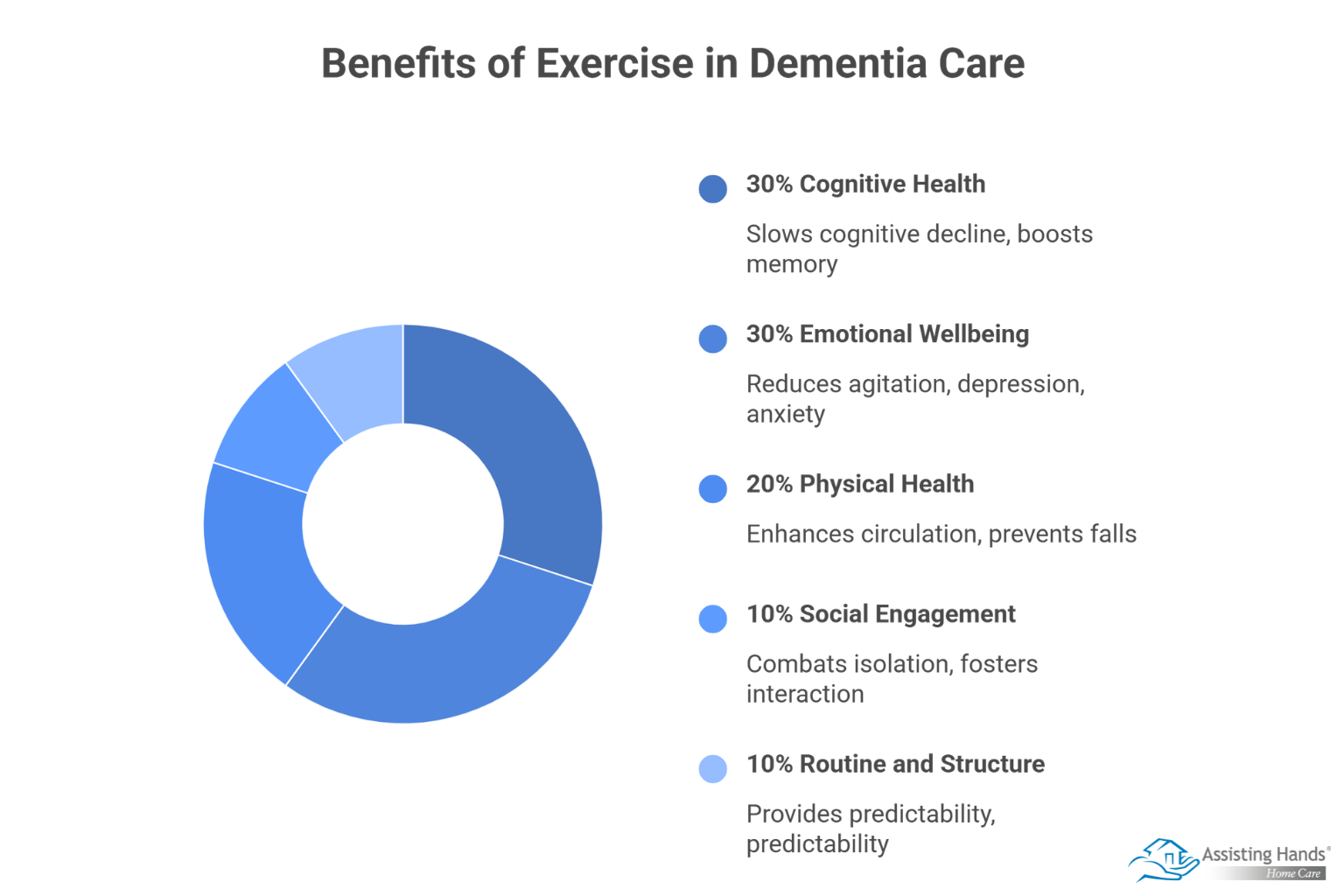
Exercise plays a vital role in dementia care by supporting physical health, boosting cognitive function, and enhancing emotional wellbeing. Regular physical activity can enhance cognitive health, reduce behavioral symptoms, and boost quality of life for individuals living with dementia. Beyond the physical benefits, exercise provides opportunities for social engagement and routine, which are essential for mental health.
How Does Exercise Benefit Cognitive Function in People with Dementia?
Physical activity increases blood flow to the brain, delivering oxygen and nutrients that support brain health. Studies show regular exercise can:
- Slow the progression of cognitive decline
- Boost memory and attention span
- Enhance executive function and problem-solving skills
- Stimulate the growth of new brain cells in areas affected by dementia
Aerobic exercises like walking, swimming, and cycling are particularly effective at promoting cardiovascular health, which directly impacts brain function.
Dementia is one of the many serious health conditions seniors are susceptible to. There are a variety of age-related health conditions that can make it more challenging for seniors in southwestern Ohio to live independently. However, many of the challenges they face can be easier to manage if their families opt for professional Cincinnati home care. Families can rely on expertly trained caregivers to keep their loved ones safe and comfortable while aging in place.
What Types of Exercise Are Most Effective for Dementia Patients?
The best exercise program combines different types of physical activity tailored to the individual’s abilities and preferences. Effective options include:
- Aerobic exercise – Walking, dancing, or water aerobics to boost heart health and circulation
- Strength training – Light resistance exercises to maintain muscle mass and prevent falls
- Balance activities – Tai chi or yoga to increase stability and reduce injury risk
- Flexibility exercises – Gentle stretching to maintain range of motion and reduce stiffness
Always consult with healthcare providers before starting any new exercise routine to ensure it’s safe and appropriate for your loved one’s condition.
How Does Exercise Impact Mood and Behavior in Dementia Care?
Exercise has powerful effects on emotional wellbeing and can significantly reduce common behavioral symptoms associated with dementia. Physical activity triggers the release of endorphins, which naturally elevate mood and reduce stress. Benefits include:
- Decreased agitation and aggression
- Reduced symptoms of depression and anxiety
- Enhanced sleep patterns and quality
- Lower levels of restlessness and wandering behavior
- Increased feelings of accomplishment and self-esteem
Group exercise classes also provide valuable social interaction, which combats isolation and loneliness.
Caring for seniors with dementia can be challenging for family caregivers. Luckily, there is top-rated dementia home care Cincinnati families can rely on. Professional dementia caregivers help seniors with dementia stay safe and comfortable at home by preventing wandering, providing cognitive stimulation, and assisting with household chores.
Can Exercise Help Caregivers Manage Dementia-Related Challenges?
Exercise benefits both seniors with dementia and their caregivers. Participating in physical activities together strengthens relationships and creates positive shared experiences. For caregivers, the advantages include:
- Structured daily routines that provide predictability
- Natural opportunities for meaningful interaction
- Reduced caregiver stress and burden
- Increased ability to manage challenging behaviors
- Enhanced communication through nonverbal movement
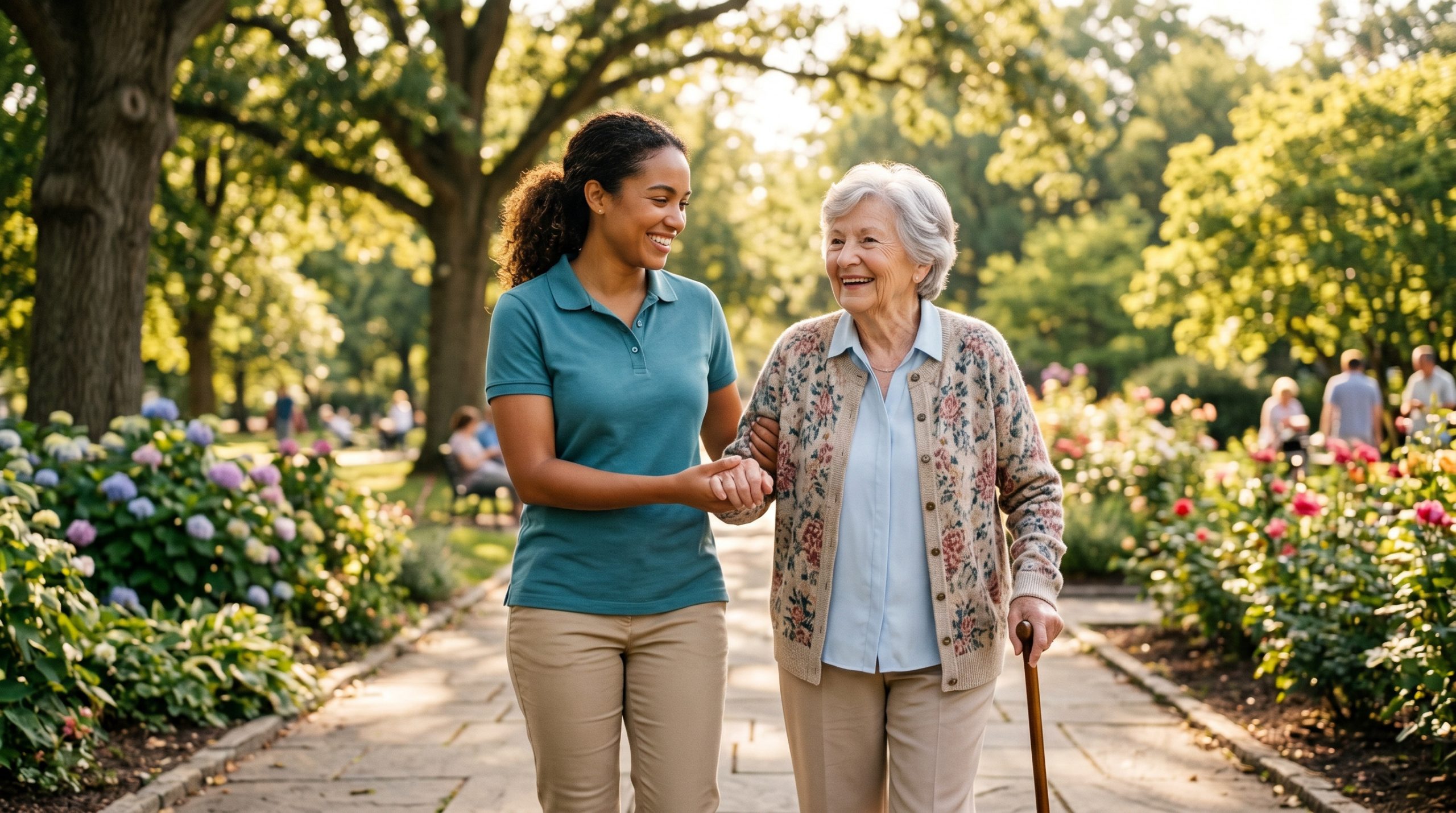
Even simple activities like taking a walk together can transform caregiving dynamics and create moments of connection.
What Precautions Should Be Taken when Exercising with Someone Who Has Dementia?
Safety is paramount when incorporating exercise into dementia care. Consider these important precautions:
- Start slowly and gradually increase intensity and duration.
- Choose familiar, safe environments to reduce confusion and anxiety.
- Provide clear, simple instructions and demonstrate movements.
- Monitor for signs of fatigue, pain, or distress.
- Ensure proper hydration before, during, and after exercise.
- Use appropriate footwear and remove tripping hazards.
- Adapt activities as the disease progresses and abilities change.
Working with physical therapists or occupational therapists can help you design safe, effective exercise programs tailored to your loved one’s individual needs.
Certain age-related conditions can make it more challenging for seniors to age in place safely and comfortably, but 24-hour home care experts are available around the clock to help Cincinnati seniors manage their health. Whether your loved one is living with dementia or recovering from a stroke, you can trust the professional caregivers from Assisting Hands Home Care to enhance his or her quality of life. At Assisting Hands Home Care, we take measures to help seniors prevent illness and injury by assisting with exercise and mobility, preparing nutritious meals, helping with bathing and other personal hygiene tasks, and much more. To learn more about our reliable, compassionate in-home care services, contact us today.
Frequently Asked Questions
How often should someone with dementia exercise?
+
Aim for at least 30 minutes of moderate physical activity most days of the week, but any amount of movement is beneficial and can be broken into shorter sessions throughout the day.
Is it ever too late to start exercising with dementia?
+
No, it’s never too late to begin an exercise routine. Even individuals in later stages of dementia can benefit from gentle movements and stretching exercises.
What if my loved one with dementia resists exercise?
+
Try different activities to find what your loved one enjoys, incorporate music, exercise together, or frame it as a fun outing rather than formal exercise.
Can exercise prevent dementia?
+
While exercise cannot guarantee prevention, regular physical activity throughout life is associated with a lower risk of developing dementia and can delay its onset.
Should I use specialized dementia exercise programs?
+
Specialized programs can be helpful but aren’t necessary. Focus on activities your loved one enjoys and can safely perform, whether that’s walking, gardening, or dancing.