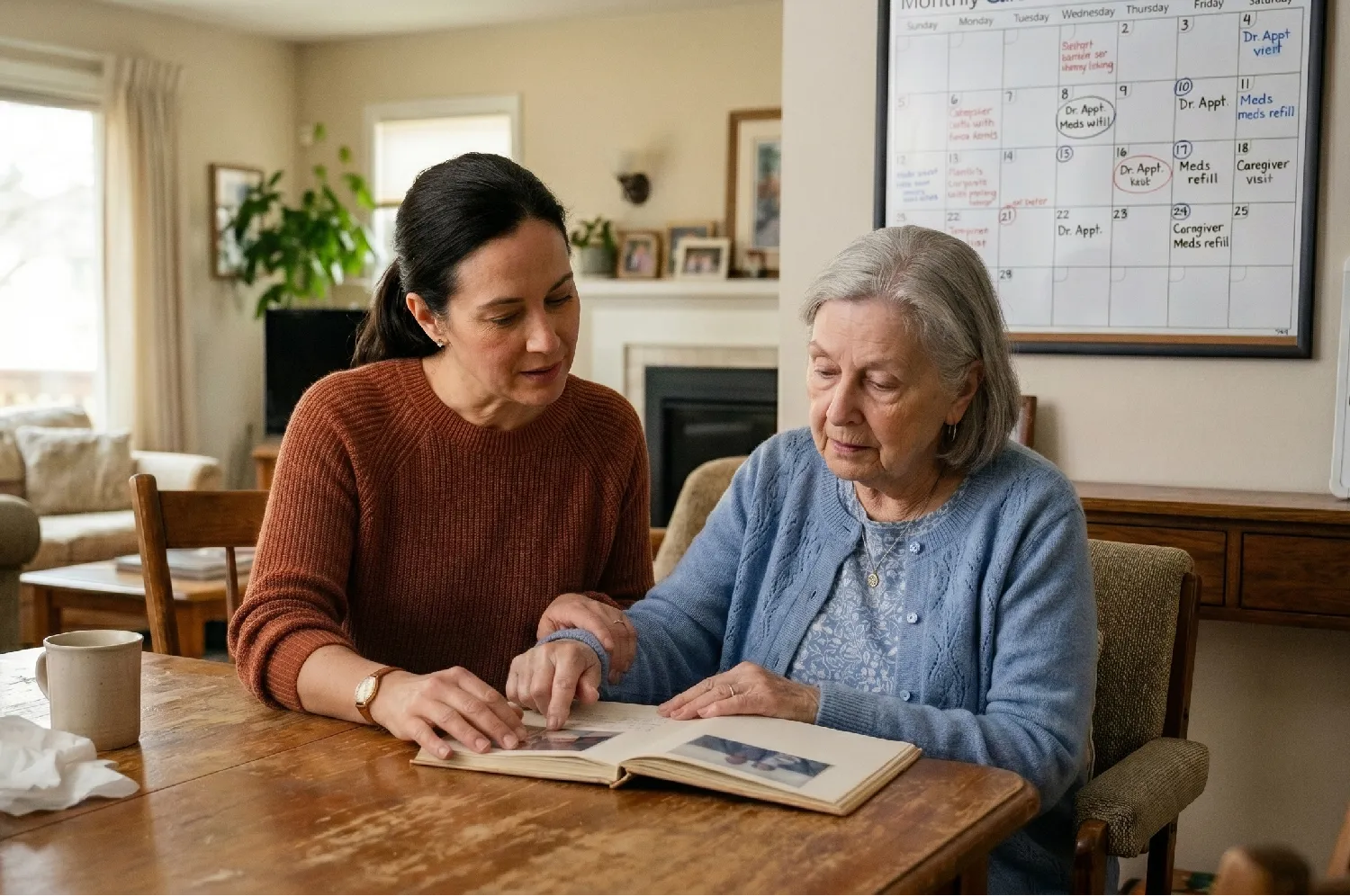
Seniors living alone often delay asking for help because they fear losing their independence and becoming a burden to their families. Acknowledging the need for assistance can feel like admitting defeat, leading many older adults to hide their physical or cognitive challenges. Understanding these underlying fears is the first step toward providing the compassionate support they truly need.
Why Is the Fear of Losing Independence So Strong?
The desire to maintain autonomy is a core part of human dignity, and for seniors, asking for help can signal an unwanted transition away from self-reliance. They often worry that admitting they need assistance will result in losing their driver’s licenses or being moved to assisted living facilities. This intense fear of displacement drives them to mask their decline and push through daily difficulties alone.
Many seniors prefer aging in place over moving to assisted living facilities. If your senior loved one needs assistance to remain safe and comfortable while living at home, reach out to Assisting Hands Home Care, a leading Cincinnati homecare agency. Our dedicated in-home caregivers can assist with meal prep, bathing and grooming, exercise, medication reminders, and many other important tasks.
How Does the Fear of Becoming a Burden Affect Their Decisions?
Many older adults spent their entire lives acting as caregivers and providers, making a sudden role reversal feel deeply uncomfortable. They hesitate to reach out because they don’t want to interrupt their adult children’s busy lives or cause unnecessary stress.
- They worry about taking time away from their grandchildren’s activities.
- They fear the costs associated with professional home care.
- They feel guilty about causing emotional strain for their loved ones.
What Role Does Pride Play in Masking Their Challenges?
Pride heavily influences the reluctance to ask for help, as seniors have spent decades successfully managing their own lives, careers, and households. Admitting they can no longer perform basic tasks like cooking, cleaning, or opening jars can feel deeply humiliating. Consequently, they often downplay their difficulties and insist everything is completely fine during family visits or phone calls.
Does Cognitive Decline Impact Their Ability to Seek Help?
Yes, conditions like early-stage dementia or Alzheimer’s disease can severely impair a senior’s judgment, memory, and self-awareness. In many cases, they genuinely don’t realize they’re forgetting to take vital medications or failing to maintain basic household hygiene. This biological lack of insight actively prevents them from recognizing the danger they’re in and reaching out for support.
Aging in place can present a few challenges for seniors living with dementia. However, with professional dementia care that offers Cincinnati families peace of mind, they can still live independently at home. Families can rely on Assisting Hands Home Care to provide their elderly loved ones with mental and social stimulation, timely medication reminders, assistance with meal prep, and much more. Our caregivers are available around the clock to help your loved one live a happier and healthier life.
Living independently is important for seniors who want to maintain a high quality of life. For some, this simply means receiving help with tasks that have become more challenging to manage over time. Even when families have the best intentions, they may not have the time to provide the care their elderly loved ones need and deserve. If your loved one needs help to age in place as independently as possible, reach out to Assisting Hands Home Care, a trusted provider of respite, 24-hour, and overnight home care Cincinnati seniors can depend on. Call one of our Care Managers today to learn about our customized in-home care plans.
Frequently Asked Questions
What are the warning signs a senior living alone needs help?
+
Look for sudden weight loss, a neglected living environment, poor personal hygiene, or stacks of unpaid bills. Unexplained bruising or frequent falls are also major indicators that a senior urgently requires assistance.
How can family members broach the topic of getting help?
+
Approach the conversation with empathy and focus on how assistance can actually help your loved one maintain independence for a longer period. Use “I” statements to express your own concerns rather than making accusatory remarks about your loved one’s capabilities.
What are some low-pressure ways to introduce assistance to a senior?
+
Start by hiring a service for specific nonmedical tasks like housecleaning, yard work, or weekly grocery delivery. This eases your loved one into the idea of accepting outside help without making him or her feel completely overwhelmed or micromanaged.
Are there community resources available for seniors who live alone?
+
Yes, many local community centers offer programs like Meals on Wheels, volunteer transportation services, and daily telephone check-ins. Local Area Agencies on Aging can easily connect families with these free or low-cost resources.