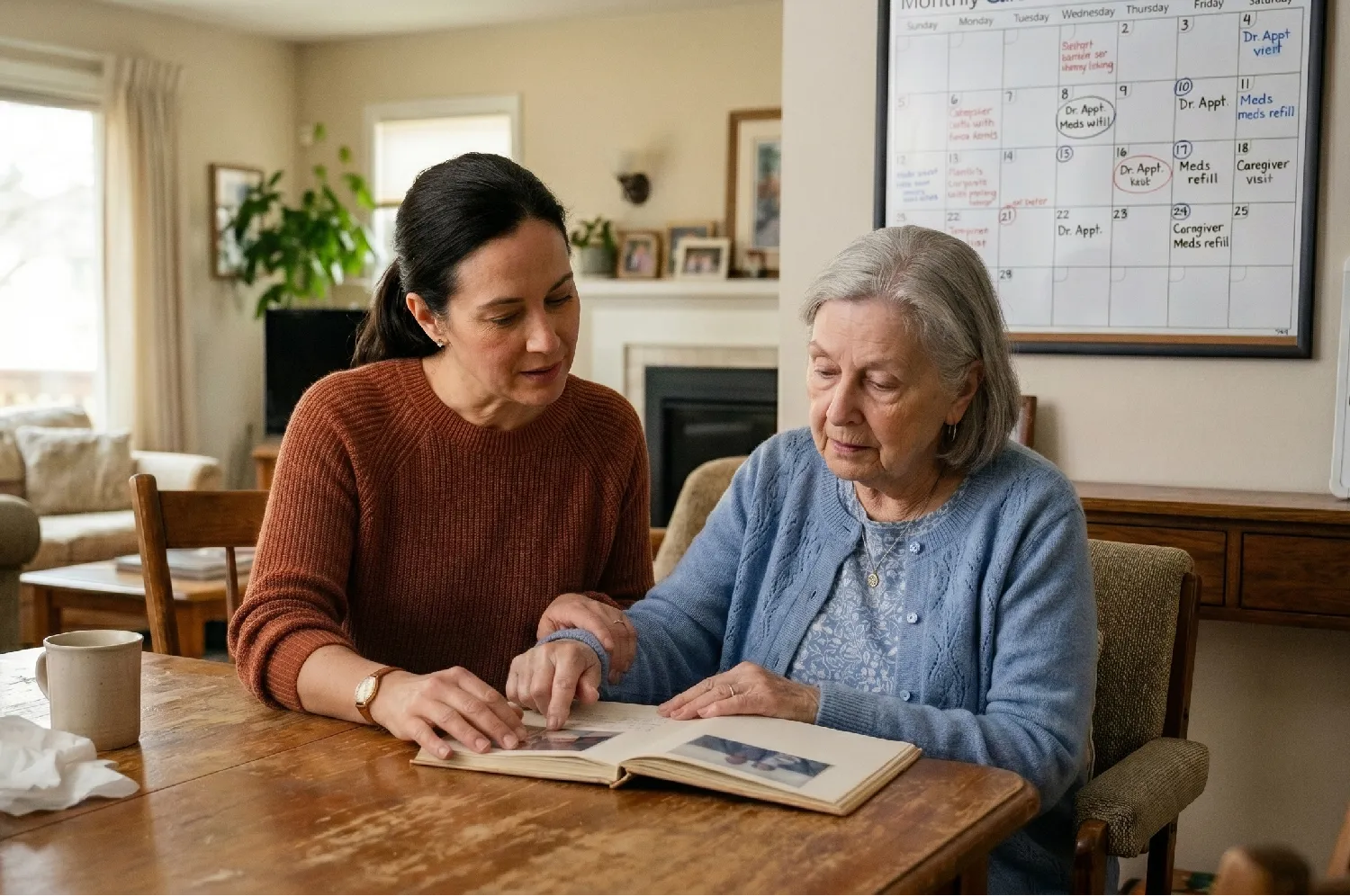
A dual approach to dementia care involves simultaneously addressing the health of the brain’s blood vessels and targeting traditional cognitive decline pathways to better manage symptoms. Understanding how vascular health directly impacts brain function is essential for exploring comprehensive strategies for long-term cognitive wellness.
What Are the Vascular Contributions to Cognitive Decline?
Vascular contributions to cognitive decline refer to the ways in which damaged or diseased blood vessels in the brain impair mental function. When blood flow is restricted due to narrowed or blocked arteries, brain cells don’t receive enough oxygen and nutrients, leading to tissue damage and cognitive impairment.
How Do Vascular Issues and Alzheimer’s Disease Interact?
Vascular issues and Alzheimer’s disease often coexist and exacerbate one another, leading to a more rapid decrease in memory and thinking skills. Poor vascular health can hinder the brain’s ability to clear toxic proteins associated with Alzheimer’s, while the inflammation from Alzheimer’s can further damage blood vessels.
If your loved one has been diagnosed with Alzheimer’s disease, help is just a phone call away. For reliable Alzheimer’s home care in Cincinnati and nearby areas, families can turn to Assisting Hands Home Care. We are a leading provider of professional memory care designed to help seniors maintain a higher quality of life. In addition to Alzheimer’s care, we also provide comprehensive dementia, Parkinson’s, and stroke care. From revolutionary care programs to compassionate and dedicated caregivers, we can meet all of your Alzheimer’s care needs.
What Is a Dual Approach to Dementia Care?
A dual approach to dementia care focuses on managing both the vascular risk factors and the specific neurological changes associated with cognitive decline. By targeting the circulatory system’s health alongside brain cell preservation, this strategy aims to slow the progression of symptoms more effectively than addressing a single pathway.
Which Lifestyle Factors Support Vascular Brain Health?
Several daily habits can significantly impact the health of the brain’s blood vessels. Supporting vascular health generally involves:
- Maintaining a balanced diet rich in antioxidants and omega-3 fatty acids
- Engaging in regular cardiovascular exercise to promote healthy blood flow
- Managing stress levels through relaxation techniques
- Getting adequate high-quality sleep each night
- Avoiding smoking and limiting alcohol consumption
If you have a senior loved one who needs help maintaining a high quality of life while aging in place, reach out to Assisting Hands Home Care, a top-rated Cincinnati elderly home care provider. Our caregivers help seniors focus on healthy lifestyle habits such as eating nutritious foods, exercising regularly, and maintaining strong social ties, and we offer mentally stimulating activities that can boost cognitive health and delay the progress of dementia.
Aging in place can present a few challenges for seniors living with dementia. However, with professional dementia home care that offers Cincinnati families peace of mind, they can still live independently at home. Families can rely on Assisting Hands Home Care to provide their elderly loved ones with mental and social stimulation, timely medication reminders, assistance with meal prep, and much more. Our caregivers are available around the clock to help your loved one live a happier and healthier life. If your loved one needs help with the challenges of aging, call one of our compassionate Care Managers today.
Frequently Asked Questions
What is vascular dementia?
+
Vascular dementia is a decline in thinking skills caused by conditions that block or reduce blood flow to various regions of the brain, depriving them of vital oxygen and nutrients.
Can vascular cognitive decline be prevented?
+
While not all cases can be prevented, adopting a healthy lifestyle that promotes strong cardiovascular health can significantly reduce the risk of developing vascular cognitive decline.
How is a dual approach different from standard care?
+
Standard care often focuses primarily on managing the symptoms of dementia, whereas a dual approach actively targets the underlying blood vessel health at the same time.
Are there specific diets that help with vascular health?
+
Diets that emphasize whole grains, lean proteins, fruits, vegetables, and healthy fats, such as the Mediterranean diet, are widely recognized for supporting cardiovascular and vascular brain health.