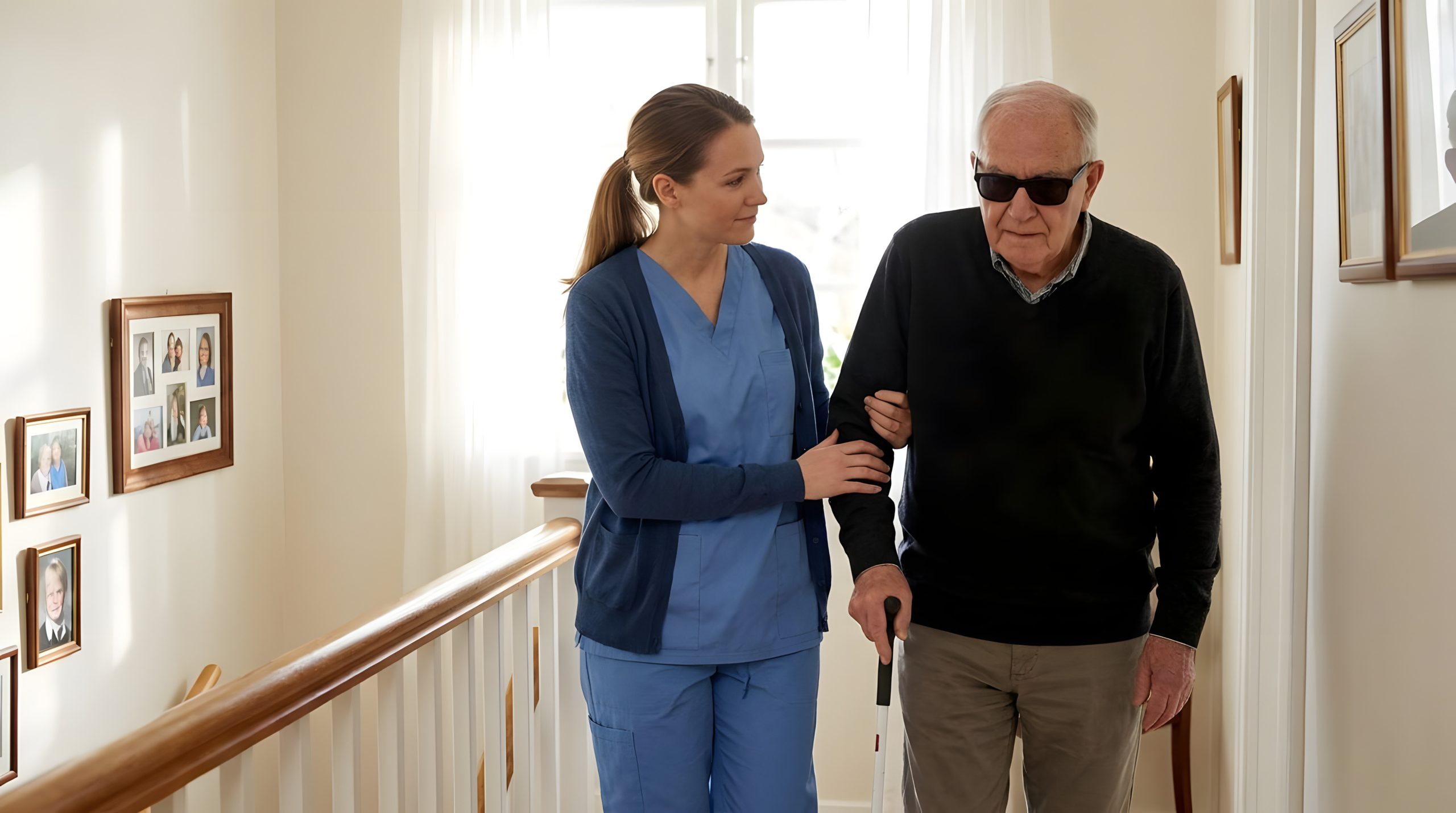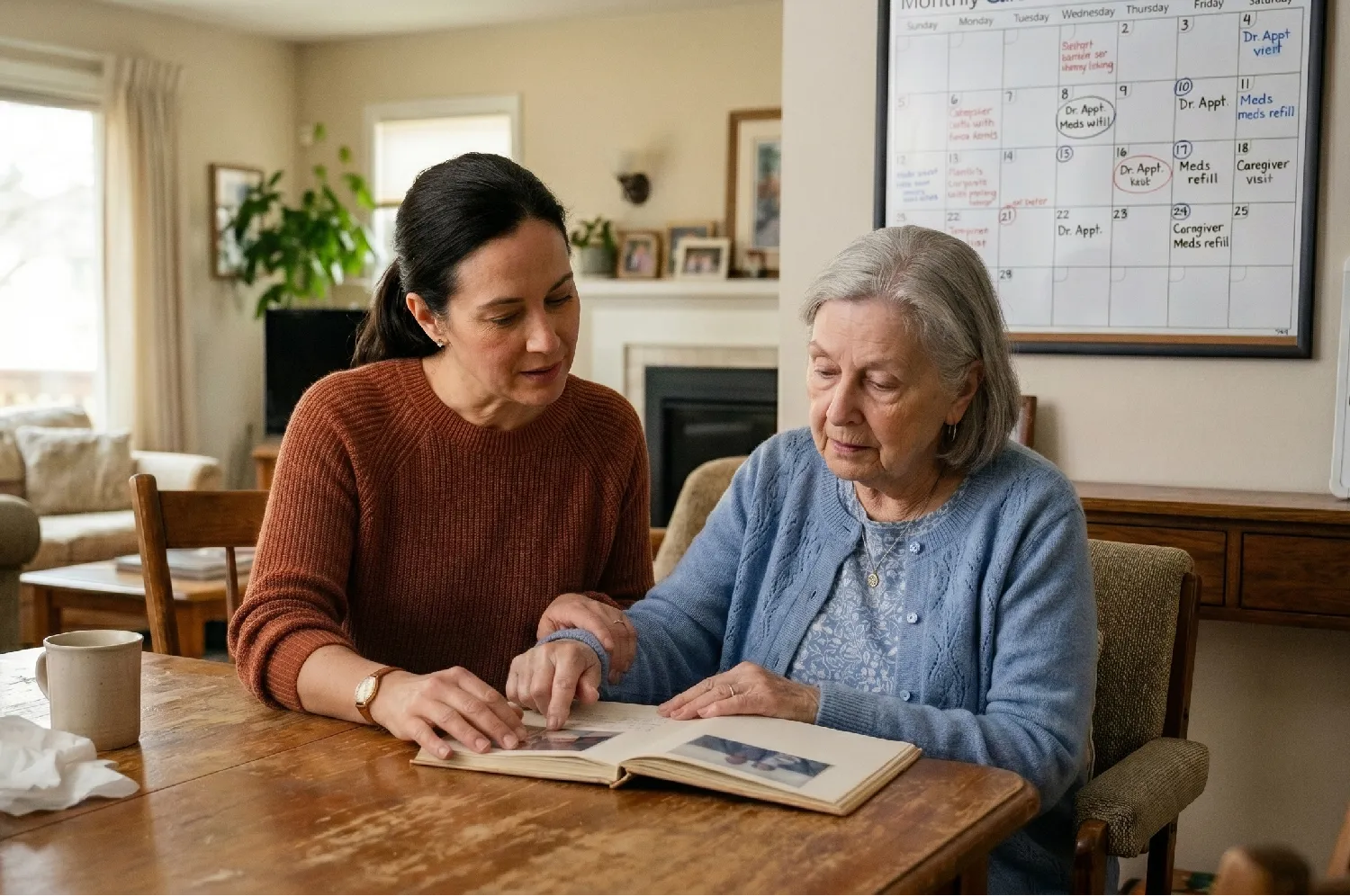
Caregivers can create safe home environments for seniors with mobility issues by removing tripping hazards, installing safety equipment, improving lighting, and reorganizing living spaces for easier access. Small adjustments throughout the home can significantly reduce the risk of falls and injuries while helping seniors maintain their independence and confidence.
What Are the Most Common Hazards for Seniors with Mobility Issues?
Understanding potential dangers is the first step in creating a safer living space. Common hazards include:
- Loose rugs and carpets that can slip or bunch up
- Cluttered walkways with electrical cords, furniture, or storage items
- Poor lighting in hallways, staircases, and bathrooms
- Slippery floors in kitchens and bathrooms
- High thresholds between rooms that create tripping risks
- Unstable furniture seniors might lean on for support
Take time to walk through each room from your senior loved one’s perspective, noting anything that could cause a stumble or fall.
How Can You Make Bathrooms Safer?
Bathrooms pose significant risks due to wet surfaces and tight spaces. Implement these safety measures:
- Install grab bars near the toilet, shower, and bathtub.
- Use nonslip mats both inside and outside the shower or tub.
- Add a shower chair or bench for seated bathing.
- Consider a walk-in shower or tub for easier access.
- Raise the toilet seat height with an elevated seat or safety frame.
- Keep frequently used items within easy reach.
- Ensure bright, even lighting with nightlights for overnight use.
These modifications can help your loved one maintain personal hygiene independently while minimizing fall risks.
If you’re the primary family caregiver for an elderly loved one, 24-hour care for Cincinnati seniors is available around the clock if your loved one’s health has become too difficult to manage without professional expertise. At Assisting Hands Home Care, we take measures to help seniors prevent illness and injury by assisting with exercise and mobility, preparing nutritious meals, helping with bathing and other personal hygiene tasks, and much more.
What Modifications Make Bedrooms More Accessible?
The bedroom should be a restful, easy-to-navigate space. Consider these adjustments:
- Position the bed at an appropriate height—feet should touch the floor when sitting.
- Clear pathways from the bed to the bathroom and main door.
- Install bedside lighting with easy-to-reach switches.
- Keep a flashlight or lamp within arm’s reach.
- Remove unnecessary furniture that clutters the space.
- Use a bedside commode if the bathroom is far away.
- Place frequently used items on accessible shelves.
A well-organized bedroom reduces nighttime fall risks and promotes better sleep quality.
How Can Stairways and Hallways Be Made Safer?
Stairs and hallways connect living spaces but can present challenges. Enhance safety with:
- Sturdy handrails on both sides of staircases
- Nonslip treads or strips on each step
- Adequate lighting with switches at both ends
- Contrasting colors on the first and last steps for visibility
- Clear pathways free of stored items or decorations
- Nightlights for safe navigation after dark
If stairs become too difficult, consider relocating your loved one’s bedroom to the main floor.
Living independently is important for seniors who want to maintain a high quality of life. For some, this simply means receiving help with tasks that have become more challenging to manage over time. Even when families have the best intentions, they may not have the time to provide the care their elderly loved ones need and deserve. If your loved one needs help to age in place as independently as possible, reach out to Assisting Hands Home Care, a trusted provider of respite, live-in, and overnight care Cincinnati seniors can depend on.
What Safety Equipment Should Every Senior’s Home Have?
Beyond structural modifications, certain equipment enhances daily safety:
- Walking aids like canes, walkers, or rollators for stability
- Medical alert systems for emergency assistance
- Reacher tools to grab items without bending or stretching
- Raised toilet seats for easier transfers
- Shower chairs for safe bathing
- Nonslip footwear with good support
- Bed rails for getting in and out of bed safely
Encourage your loved one to use these aids consistently, as they’re only effective when utilized properly.
Top-rated Cincinnati at-home care experts are available to provide high-quality care to seniors on an as-needed basis. From assistance with mobility and exercise to providing transportation to the doctor’s office and social events, there are a variety of ways professional caregivers can help your aging loved one continue to live independently. Call Assisting Hands Home Care today to learn about our high-quality in-home care services.
Frequently Asked Questions
How often should I assess the home for safety hazards?
+
Conduct a thorough safety assessment every six months or sooner if your loved one’s mobility changes. Regular checks help you catch new hazards before they cause problems.
Should I remove all rugs from my loved one’s home?
+
Not necessarily—secure rugs with nonslip pads or double-sided tape rather than removing them entirely. Alternatively, replace loose rugs with low-pile wall-to-wall carpeting.
What’s the best flooring option for seniors with mobility issues?
+
Low-pile carpet, cork, or vinyl flooring provides good traction without being slippery. Avoid high-gloss finishes and ensure all flooring is level without transitions.
How can I encourage my loved one to accept home modifications?
+
Involve your loved one in decision-making, emphasizing how changes support independence rather than highlighting limitations. Start with small nonintrusive modifications and gradually introduce larger changes.
Are there financial assistance programs for home safety modifications?
+
Yes, many programs offer assistance, including Medicaid waiver programs, veterans benefits, local Area Agencies on Aging, and nonprofit organizations. Contact your local senior services office for available resources.